
You may not realize that a civil divorce in Malaysia can significantly impact your immigration status and future residency options. Understanding how the divorce process interacts with visa regulations is necessary for ensuring that you don’t inadvertently jeopardize your legal standing in the country. This blog post will guide you through the potential consequences of a divorce on your immigration journey, exploring both the challenges you might face and the steps you can take to protect your rights and interests.

Key Takeaways:
- The legal process of divorce in Malaysia differs for Muslims and non-Muslims, each following distinct laws and regulations.
- Foreign nationals may face immigration complications post-divorce, including visa validity issues, especially if the marriage was the basis for their residence in Malaysia.
- Documents such as divorce certificates may be required for immigration status adjustments following a civil divorce.
- Divorce settlements can influence sponsorship eligibility for dependents and might affect the ability to remain in Malaysia long-term.
- Consultation with legal and immigration experts is advisable to navigate the complexities of divorce and its immigration consequences.
- Children born to divorced parents may hold different citizenship rights, depending on the nationality of each parent and the legal context of the divorce.
- Understanding the rights and obligations through legal guidance is vital to protect personal interests in both divorce and immigration matters.
The Intersection of Divorce Laws and Immigration Policies
The intertwining of divorce laws and immigration policies can significantly impact individuals seeking to navigate their marital dissolution while facing immigration considerations. In Malaysia, the divergence between civil and religious laws creates layers of complexity, especially when one spouse holds a different nationality or immigration status. This intersection can lead to situations where a divorce’s outcome may inadvertently affect residency rights, citizenship applications, or even leave one party vulnerable to legal issues regarding their immigraion status.
Overview of Civil Divorce Procedures in Malaysia
In Malaysia, civil divorce proceedings require the filing of a petition in the relevant High Court, where separation can involve mutual consent or contested terms. The process generally involves obtaining a divorce certificate, after which financial settlements, child custody, and asset distribution are negotiated. It’s also imperative to consider that parties can seek mediation or supervision from the court to resolve disputes amicably before the court’s final decree.
How Divorce Affects Immigration Status
Divorce can have profound implications on your immigration status, particularly if you are dependent on your spouse’s visa or residency. In Malaysia, individuals linked by marriage to a foreign national may face risks of deregistration or changes in their residency status, effectively jeopardizing their legal standing in the country.
If you are in Malaysia on a dependent visa due to your marriage, a divorce may automatically revoke your right to remain in the country. The loss of marital status can require immediate action, such as applying for a new visa category or seeking humanitarian relief if returning to your home country isn’t feasible. For example, if you were previously living in Malaysia on your spouse’s employment pass, your change in marital status may necessitate a resubmission of your immigration paperwork, placing your stay and future in Malaysia in limbo. Ultimately, seeking early legal advice is critical to navigating these complex terrain successfully.
Navigating Immigration Consequences Post-Divorce
Your immigration status may face various implications following a divorce, particularly if your residency or citizenship was dependent on your spouse. Different scenarios arise depending on the nature of the visa and the circumstances surrounding your separation. Understanding the consequences is vital for making informed decisions about your future in Malaysia.
Types of Visa Implications for Divorced Individuals
Divorce can affect your visa status in several ways, including:
- Dependent Visas – May become invalid after divorce.
- Permanent Residency – Consideration for eligibility may change.
- Work Permits – Status might require re-evaluation.
- Student Visas – Conditions may differ based on marital status.
- Tourist Visas – No direct impact, but plans may change.
Knowing the specific visa implications will help clarify your next steps.
| Visa Type | Implications |
|---|---|
| Dependent Visa | Might be revoked after divorce |
| Permanent Residency | Possibly subject to review |
| Work Permit | Eligibility reevaluation may be required |
| Student Visa | Potential changes in eligibility |
| Tourist Visa | Unchanged but may affect travel plans |
Steps for Updating Immigration Status After Divorce
After your divorce, it’s important to update your immigration status to avoid complications. This typically involves notifying relevant immigration authorities, submitting necessary documentation, and verifying any changes in your eligibility for your visa type.
Begin the process by gathering all vital documents, including your divorce decree and identification proofs, to apply for the necessary status changes. Next, contact the immigration office or consult a legal expert to ascertain specific requirements based on your situation. Timely action is necessary to maintain compliance with immigration laws and secure your residency or visa rights. You may need to adjust your application if your status changes, ensuring you remain within legal bounds while pursuing your future goals in Malaysia.
Case Implications for Children in Divorce Situations
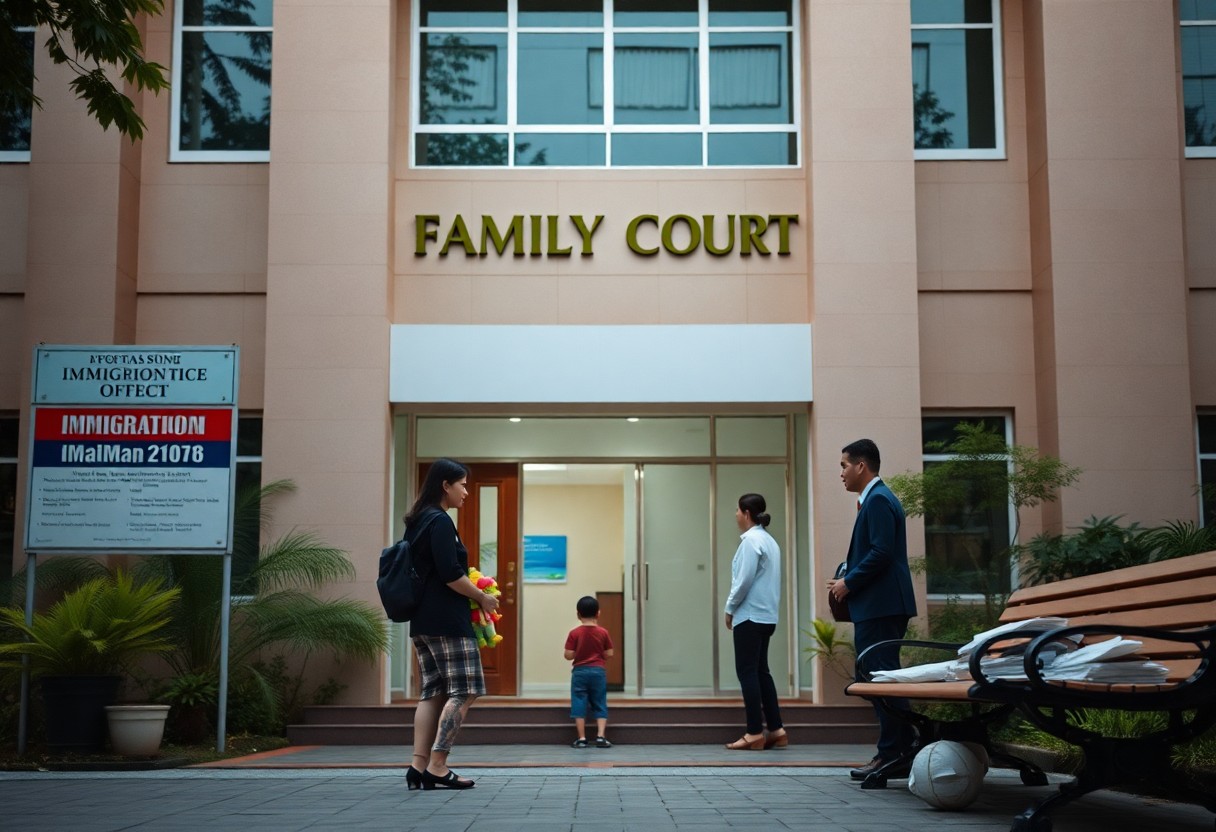
Children involved in divorce situations often experience significant emotional and legal challenges. The outcomes of custody arrangements can directly influence their welfare, shaping their upbringing and future relationships with each parent. In Malaysia, the welfare of the child is a primary consideration under the law, and any decisions made during divorce proceedings regarding children will have lasting impacts, especially concerning their immigration status and rights.
Custody Considerations Relevant to Immigration
Custody decisions have direct immigration implications, particularly for children with foreign citizenship or residency rights. Malaysian courts prioritize the child’s best interests, and primary custody typically ensures that the child maintains their resident status. Understanding how custody arrangements can impact the child’s eligibility for immigration benefits is necessary, especially if one parent is a foreign national.
Travel Restrictions and Their Legal Framework
Travel restrictions can affect children during and after divorce proceedings, particularly if there are concerns surrounding abduction or unauthorized relocation. In Malaysia, courts may impose travel bans or require permission from both parents before a child can exit the country. These restrictions are often formalized through court orders and aim to protect the child’s stability and connection to both parents.
The legal framework governing travel restrictions in Malaysia includes the Child Act 2001, which emphasizes the child’s welfare and the need for both parents’ consent for international travel. If a parent indicates the intention to relocate abroad, they may be subject to rigorous legal scrutiny. Factors such as existing custody agreements and the potential impact on the child’s relationship with the non-traveling parent can complicate matters significantly. Be aware that breaches of court-imposed travel restrictions can lead to serious legal consequences, including charges of contempt of court. Always consult legal expertise to navigate these complexities effectively.
Legal Resources for Divorced Immigrants
Access to legal resources is vital for divorced immigrants in Malaysia, especially when navigating complex immigration and family law matters. Various organizations and legal practitioners specialize in providing guidance and representation related to divorce and immigration issues. Understanding available resources can significantly impact your situation, enabling you to make informed decisions and safeguard your rights.
Finding Legal Assistance in Malaysia
Finding legal assistance in Malaysia can feel overwhelming, yet there are numerous organizations and law firms that offer specialized support for immigrants. Resources such as the Malaysian Bar Council, which provides referrals to qualified lawyers, and non-governmental organizations focused on immigrant support can connect you to experienced professionals. Local community centers may also offer legal clinics where you can receive preliminary advice without incurring high costs.
Understanding Rights and Options as a Divorced Immigrant
Being aware of your rights and options as a divorced immigrant is fundamental for navigating life post-divorce. You may have the right to seek legal recognition of your marriage and divorce under Malaysian law, which can affect your immigration status, especially if your residency was dependent on your spouse. Furthermore, exploring avenues for financial support and custody arrangements in light of your immigration status is imperative to ensure your wellbeing and that of your children.
Understanding your rights begins with recognizing that divorced immigrants are protected under Malaysian law, which provides avenues for appeal or legal recourse if faced with unfair treatment. For instance, if your immigrant status is linked to your spouse and the divorce could jeopardize it, you have the right to explore options such as applying for residency independently. Additionally, consulting with legal professionals experienced in immigration law can help clarify your entitlements regarding asset division, social support, and custody matters, ensuring you can take proactive steps to protect your future in Malaysia.
Societal Perspectives and Changing Norms
As Malaysia continues to evolve, societal perspectives on divorce and immigration are shifting, reflecting a more progressive attitude. The stigma traditionally associated with divorce is slowly diminishing, with many recognizing it as a personal choice rather than a failure. This change is influencing how divorced individuals, particularly immigrants, are viewed within the community. As acceptance grows, it paves the way for enhanced integration and support systems for those navigating the complexities of life post-divorce.
Public Perception of Divorce and Immigration in Malaysia
The public perception of divorce remains a mixed bag in Malaysia. While some segments embrace the idea of personal freedom and choice, others still hold onto conservative views that label divorce as socially unacceptable. With regard to immigration, divorced individuals often face additional scrutiny, as their status can evoke questions about their adherence to cultural norms. Yet, as Malaysia becomes increasingly cosmopolitan, there is a noticeable shift towards greater acceptance, particularly in urban areas.
Cultural Implications on Divorced Immigrants’ Integration
Navigating cultural dynamics is crucial for divorced immigrants aiming to integrate into Malaysian society. Your experience may be colored by differing values surrounding divorce and family life. In certain communities, the stigma may still linger, impacting your ability to connect with locals. As societal attitudes shift, support networks are emerging, yet challenges remain. Understanding local customs and actively participating in community life can facilitate smoother integration, enabling you to rebuild your social connections post-divorce.
As you work to foster connections, consider engaging with local organizations that support divorced individuals or immigrant communities. Participating in cultural exchange events can provide opportunities for mutual understanding, helping to break down misconceptions around divorce. Sharing your own experiences might resonate with others, ultimately fostering compassion and encouraging a more inclusive perspective on marriage and divorce. Embracing the evolving cultural landscape can empower you to navigate the challenges while enriching your new life in Malaysia.
Summing Up
Considering all points, navigating civil divorce and its immigration implications in Malaysia requires you to understand your rights and responsibilities thoroughly. Your marital status can significantly affect your residency status and eligibility for certain benefits. It’s necessary to consult with legal experts to ensure you are well-informed about the potential impacts on your immigration status and to take appropriate steps to safeguard your interests during and after the divorce process.
FAQ
Q: What are the grounds for civil divorce in Malaysia?
A: In Malaysia, the grounds for civil divorce are laid out in the Law Reform (Marriage and Divorce) Act 1976. The main grounds include irretrievable breakdown of the marriage, lack of cohabitation for at least two years, or other significant factors that justify the divorce. It is imperative to provide evidence supporting these grounds in court.
Q: How does a divorce in Malaysia affect immigration status?
A: A divorce can impact immigration status in Malaysia, particularly for foreign spouses of Malaysian citizens. If the foreign spouse holds a Dependent Pass or Long-Term Visit Pass due to the marriage, the divorce may necessitate changes in their immigration status. It is advisable for the individual to consult with the Immigration Department or a legal professional to understand their options.
Q: Can a foreign spouse remain in Malaysia after a divorce?
A: A foreign spouse may be allowed to remain in Malaysia after a divorce if they can secure a new form of visa or residency based on their own qualifications, employment, or other legal means. Options may include applying for a work visa, student visa, or other relevant permits. Consulting with an immigration lawyer can provide guidance tailored to the individual’s situation.
Q: Is it necessary to obtain a divorce certificate for immigration purposes?
A: Yes, it is typically necessary to obtain a divorce certificate as proof of marital status when dealing with immigration matters. This document may be required for processing visa applications, residency changes, or other immigration-related requirements to confirm the dissolution of the marriage.
Q: How long does the divorce process take in Malaysia?
A: The duration of the divorce process in Malaysia can vary based on several factors, including the complexity of the case, whether it is contested or uncontested, and the court’s schedule. Generally, an uncontested divorce may take around 3 to 6 months, while a contested divorce may take longer, possibly exceeding a year or more if appeals or disputes arise.
Q: Are there any specific immigration regulations that foreign spouses should be aware of post-divorce?
A: Yes, foreign spouses should be aware of the potential changes in their immigration status following a divorce. It is important to act quickly to address changes in residency permits and to seek legal advice to navigate the implications of the divorce on their immigration status effectively. This includes determining if they need to switch to a different visa category or leave Malaysia.
Q: What are the legal steps to take if I want to divorce my foreign spouse in Malaysia?
A: To initiate the divorce process in Malaysia, you must file a divorce petition with the Family Court. You will need to determine the appropriate grounds for divorce and submit any required documentation, such as marriage certificates and relevant identification. Legal representation can help navigate the process, especially when dealing with issues of property division and custody of children, if applicable.
