
Just as you prepare for major decisions in life, taking steps to protect your property before filing for divorce is vital. Ensuring that your assets are safeguarded can significantly impact the outcome of your divorce proceedings. By understanding the legal landscape and implementing practical strategies, you can minimize potential disputes and preserve your financial stability. This guide will equip you with effective measures to secure your property during this challenging time.
Key Takeaways:
- Assess and document all property and assets thoroughly.
- Open separate bank accounts for personal finances.
- Avoid making major financial decisions or transactions.
- Secure valuable items, such as jewelry and important documents.
- Consult a legal professional for advice on asset protection.
- Change passwords to accounts and secure digital property.
- Consider obtaining a preliminary injunction to prevent asset depletion.
Understanding Property Division
Property division can significantly impact your financial future during a divorce. Courts typically distinguish between separate and marital property, with marital property subject to division while separate property remains yours. The division process aims to establish a fair, though not necessarily equal, distribution of assets, based on various factors.
Factors Influencing Asset Division
Several factors will influence the outcome of asset division during your divorce. These include the duration of the marriage, each spouse’s economic circumstances, and contributions made during the marriage. Courts also consider:
- The age and health of each spouse
- Financial needs of children
- Contributions made by each spouse to the marriage
- Disparities in earning potential
Any discrepancies in salary or unexpected expenses can significantly affect the division process.
Importance of Timing in Property Protection
Timing plays a vital role in property protection when divorce is on the horizon. Taking proactive measures before filing can safeguard your assets from being classified as marital. For instance, consider transferring assets into separate accounts or making significant decisions regarding investments. Actions taken promptly can influence how the court perceives your intention in dividing property.
Strategic timing might involve consulting with a financial advisor and an attorney well in advance of filing for divorce. This allows you to create a comprehensive plan tailored to your unique financial situation, ensuring that your separate property remains defended and reducing potential conflicts during asset division. Establishing clear documentation and adhering to legal advice can further bolster your position, as courts often favor transparency and authenticity. By acting swiftly and thoughtfully, you can significantly improve your chances of retaining your desired assets during the divorce process.

Legal Measures to Protect Your Property
Implementing legal measures can effectively safeguard your assets during divorce proceedings, minimizing the risk of loss and ensuring a fair division. Exploring options such as prenuptial or postnuptial agreements, along with temporary restraining orders, provides avenues to maintain control over your property, preventing any unilateral actions that could jeopardize your financial standing.
Prenuptial and Postnuptial Agreements
Prenuptial and postnuptial agreements are effective tools for clearly defining the division of assets before or during marriage. These contracts help establish what property is considered individual, ensuring that assets acquired before and during the marriage remain protected from division in divorce proceedings. By outlining each party’s rights and obligations, you can reduce potential conflicts and misunderstandings later.
Temporary Restraining Orders
Temporary restraining orders (TROs) can provide immediate protection of your assets during divorce proceedings. A TRO prevents either spouse from selling, transferring, or depleting property until the court has made a decision. This measure is particularly beneficial if you anticipate disputes over shared assets or if one party may attempt to hide or dispose of property to gain an advantage. Obtaining a TRO requires a supportive showing of potential harm or loss, which underscores the importance of acting quickly and documenting your concerns effectively.
Financial Strategies Before Divorce
Securing Financial Accounts
Prioritize securing your financial accounts by changing passwords and monitoring account activity. Consider opening a separate bank account to ensure access to funds during the divorce process. Avoid transferring large amounts of money or hiding assets, as these actions can negatively impact your case in court. Keeping record of all transactions is vital for maintaining a clear financial picture.
Documenting Asset Values
Accurate documentation of asset values plays a key role in a fair divorce settlement. Compile appraisals for significant assets, such as real estate, vehicles, and personal property. Maintain a timeline of purchases and improvements to demonstrate each item’s worth. This thorough record supports your claims during negotiations and ensures equitable distribution of assets.
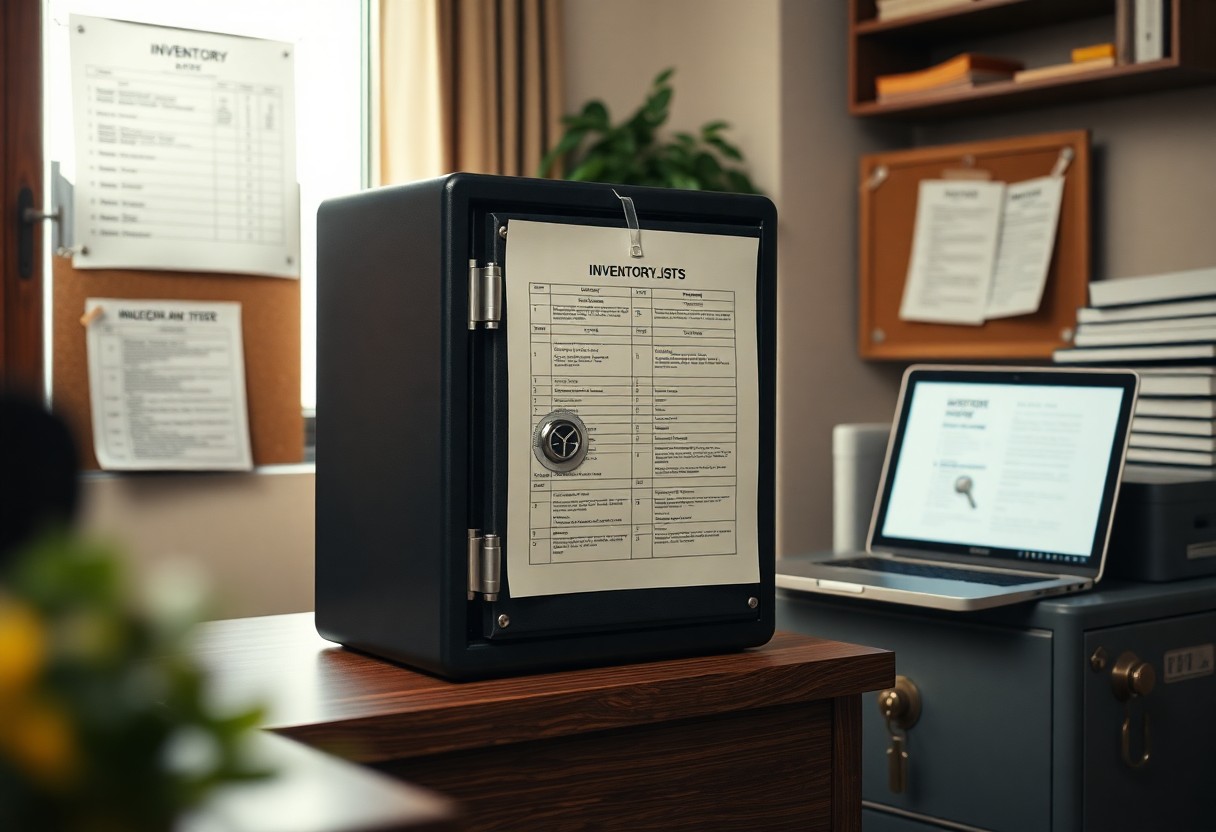
Begin by securing appraisals from certified professionals for major items, such as your home or collectibles, to establish their market value at the time of filing. Additionally, gather receipts, invoices, and photographs that illustrate the condition and value of your assets over time. Create a detailed inventory list that includes descriptions and estimated values of each asset. By staying organized, you make the valuation process smoother and bolster your position in discussions regarding asset distribution.
Communication with Your Spouse
Effective communication with your spouse can significantly influence the outcome of your property division. Open dialogues can lead to fairer settlements and minimize misunderstandings. Aim for clear discussions about your assets and needs, focusing on what each of you values most. This approach may help facilitate smoother negotiations and foster a sense of cooperation, reducing the potential for conflicts that could escalate during divorce proceedings.
Discussing Property Issues
Address property issues directly by discussing what you both believe should be divided or retained. Create a list of all significant assets, including real estate, vehicles, and financial accounts. This transparency helps avoid disputes later, ensuring both parties have a clear understanding of each other’s perspectives and expectations, which can lead to easier negotiations.
Maintaining Professionalism
Professionalism during conversations about property can prevent emotional flare-ups and keep discussions productive. Keeping discussions focused on facts rather than feelings helps ensure clarity and reduces potential conflict. Use neutral language and avoid personal attacks to maintain an atmosphere conducive to effective communication.
Exhibiting professionalism means treating your spouse with respect, even when disagreements arise. Aim for an attitude of collaboration instead of confrontation; this can lead to more amicable discussions. Establish ground rules for dialogues, such as avoiding interruptions or setting a time limit, to keep the conversation focused and productive. Engaging in active listening and acknowledging each other’s viewpoints can foster a more cooperative atmosphere, increasing the likelihood of reaching satisfactory agreements on property division.
Seeking Professional Advice
Engaging professionals who specialize in divorce and finances can provide you with guidance tailored to your unique circumstances. They can help you navigate the complexities of asset division, tax implications, and financial planning, ensuring you protect your property effectively while moving forward.
Hiring a Divorce Attorney
A divorce attorney can offer legal protection for your interests and advise you on the complexities of property division laws in your state. By engaging an attorney knowledgeable about divorce settlements, you gain an advocate who can help safeguard your assets and advocate for your rights throughout the entire process.
Consulting Financial Advisors
Financial advisors bring expertise in assessing your financial situation and creating a plan that considers both immediate and long-term financial stability. They can guide you in understanding the implications of asset division, spousal support, and potential tax liabilities.
Consulting a financial advisor means gaining insight into future financial scenarios, allowing you to make informed decisions. They can help you analyze your income, expenses, and investments, providing case studies illustrating how asset distribution affects different financial outcomes. For instance, a financial advisor might project how retaining certain assets will impact your financial health over the next five to ten years, equipping you with the information necessary to negotiate effectively. Additionally, they can assist in devising a budget to survive the transition and advise on any necessary adjustments to accounts or investment strategies during and after your divorce.
Tips for Protecting Personal Assets
To safeguard your personal assets during a divorce, implement strategic measures that prevent loss or misappropriation. Take immediate action to document valued possessions, create a comprehensive inventory, and preserve significant records. Other steps include transferring assets to your name, regularly monitoring your financial accounts, and seeking legal advice when necessary. Recognizing the potential for unexpected claims on your assets can significantly strengthen your position moving forward.
Separating Joint Assets
Distinguishing between joint and individual assets protects your interests during divorce proceedings. You should clearly identify which assets were acquired before the marriage or as a personal gift, ensuring they remain solely yours. Joint bank accounts and properties should be reviewed and potentially frozen to prevent unauthorized access. Establishing rightful ownership now eliminates confusion later.
Safeguarding Valuables
To effectively safeguard valuables, consider moving them to a secure location away from shared spaces. This includes items like jewelry, important documents, and collectibles. Invest in a safe deposit box or a trusted friend’s help to keep them protected until your divorce is finalized.
Safeguarding your valuables demands proactive measures. Create an inventory of all significant belongings, including appraisals for high-value items. If possible, take photographs and save receipts to establish ownership and value. Consult with a legal professional about specific items that could be contentious. These steps bolster your case in the event of disputes, demonstrating your commitment to protecting what is rightfully yours.
To wrap up
With these considerations, you can take proactive steps to protect your property before filing for divorce. Start by organizing financial records and documenting assets and debts. Ensure you understand the laws regarding asset division in your state. Consider consulting a legal expert to guide you through potential strategies, such as prenuptial or postnuptial agreements. Additionally, safeguarding your financial accounts and maintaining clear communication about your intentions can help mitigate conflicts. By being informed and prepared, you can navigate this transition more effectively.
FAQ
Q: What steps can I take to secure my assets before filing for divorce?
A: Gather documentation of all your assets, including bank statements, property deeds, and investment accounts. Create an inventory and back up your financial information to protect against disputes in court.
Q: Should I consider opening a separate bank account before filing for divorce?
A: Yes, opening a separate bank account can help manage your finances independently during the divorce process. Ensure that you only deposit your own income into this account to avoid any potential disputes.
Q: How can I protect my property from being sold or transferred during divorce proceedings?
A: Establish temporary restraining orders to prevent the sale or transfer of assets. Consulting with an attorney can help ensure that legal measures are in place to protect your property.
Q: Is it advisable to close joint accounts before filing for divorce?
A: Closing joint accounts may not be advisable, as it could lead to claims of hiding assets. Instead, consider separating finances by withdrawing your share and moving funds to your individual account.
Q: What role does legal counsel play in protecting my property before divorce?
A: An attorney can provide guidance on asset protection strategies, advise on legal rights, and help draft necessary documents to ensure your property remains secure throughout the divorce process.
Q: Can I safeguard my retirement accounts ahead of filing for divorce?
A: Yes, it’s important to understand how your retirement accounts will be classified. Consult a financial advisor to explore options on how to protect these assets before going through the divorce.
Q: What financial documents should I gather and keep secure before filing for divorce?
A: Collect tax returns, pay stubs, property deeds, bank statements, investment account statements, and any documentation related to debts. Organizing these documents is crucial for clarity during the divorce.
