
You may be wondering how a contested divorce in Malaysia affects your children. The impact can be profound, with emotional distress and uncertainty being common outcomes for kids caught in parental conflict. It’s vital to understand that the custody arrangement, whether awarded to one parent or both, can play a significant role in shaping your child’s future. However, with supportive communication and effective co-parenting strategies, you can mitigate negative effects and ensure a positive environment for your children during and after this challenging transition.
Key Takeaways:
- Children often experience emotional distress and behavioral issues following a contested divorce.
- Custody arrangements significantly impact children’s well-being, with joint custody being more beneficial in some cases.
- Parental conflict can lead to long-term psychological effects on children, including anxiety and depression.
- Support from extended family and community can help mitigate negative impacts on children.
- Professional counseling and therapy are recommended to assist children in coping with the divorce.
- Judicial decisions prioritize the best interests of the child, influencing custody and visitation rights.
- Parental cooperation post-divorce plays a vital role in children’s adjustment and stability.
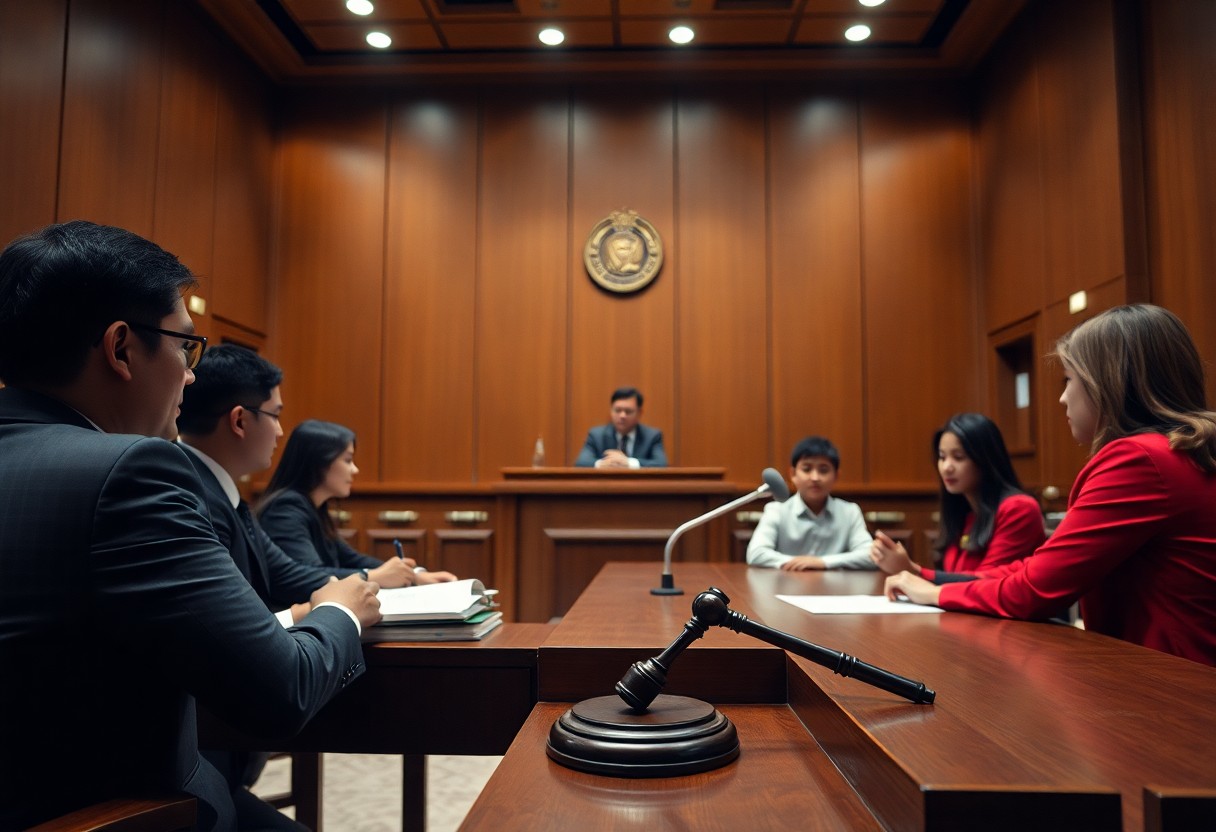
Understanding Contested Divorce in Malaysia
A contested divorce in Malaysia arises when spouses cannot reach an agreement on critical issues like custody, property distribution, and maintenance. This type of divorce can lead to prolonged legal battles, given the emotional and financial stakes involved. The process may involve court hearings, mediation attempts, and possible appeals, often dragging on for months or even years, impacting both parents and children.
Definition and Process
In Malaysia, a contested divorce is initiated when one spouse files a petition, disagreeing with the terms proposed by the other. The responding party must file an answer, leading to a series of legal procedures. Both parties exchange evidence and witness statements, often culminating in a trial before the judge to resolve disputes. This process is formal and can be intricate, requiring legal representation.
Common Reasons for Contention
Several factors contribute to contention during a divorce, including differing views on child custody, financial disagreements, or infidelity. Each spouse may have strong beliefs about what constitutes a fair settlement, leading to unresolved conflicts that prompt lengthy litigation. Emotional entanglements also play a significant role, often resulting in heightened tensions throughout the process.
Disputes over child custody are particularly prevalent, as both parents typically wish to secure the most favorable arrangement for their children. Financial disagreements can arise from differences in perceived contributions to the marriage, leading to conflicts over asset division and alimony. Additionally, claims of infidelity or abuse can escalate tensions, making compromise difficult. These issues not only prolong the divorce process but also have lasting effects on the children involved, who may find themselves caught in the middle of their parents’ disputes.

Impact on Children’s Emotional Well-being
The emotional well-being of children post-divorce can be profoundly affected by the ongoing conflict. They often experience feelings of confusion, anxiety, and sadness, leading to challenges in forming healthy relationships and coping in everyday life. As they navigate these emotions, children’s self-esteem may plummet, influencing their development and long-term mental health.
Psychological Effects
Children involved in contested divorces frequently show signs of depression, behavioral issues, and increased aggression. Research indicates these psychological repercussions can linger for years, making it important to address them promptly. Without proper interventions, the emotional scars can hinder their academic performance and social interactions.
Coping Mechanisms
To manage emotional turmoil, children often develop coping mechanisms, ranging from positive outlets like sports or art, to negative patterns such as withdrawal or aggression. Understanding these mechanisms can help you guide your child effectively through this challenging period.
Encouraging positive coping mechanisms is vital for your child’s recovery. Engaging in physical activities, expressing feelings through art, or talking openly about their emotions can provide healthy outlets for processing grief and confusion. Support groups, therapy, or simply maintaining a routine can create a sense of stability and security. By fostering open communication, you help your child articulate their feelings and build resilience, ultimately aiding their emotional and psychological recovery.
Legal Considerations for Child Custody
Understanding the legal landscape surrounding child custody in Malaysia is imperative for navigating a contested divorce. Courts prioritize the *best interests of the child*, leading to decisions based on factors like emotional ties, stability, and the child’s preferences. *Fathers and mothers* have equal rights under the law, but the *final verdict* often reflects which parent can provide a more secure environment.
Custody Arrangements
When determining custody arrangements, you can expect several options, including sole custody, joint custody, and visitation rights. Joint custody, where both parents share responsibility, is often favored but can be complex. The court assesses each parent’s situation to create an arrangement that promotes the child’s stability and well-being.
The Role of Mediation
Mediation plays a significant role in resolving custody disputes amicably before court intervention. This process allows you and your ex-spouse to discuss issues privately, often leading to more satisfactory outcomes. Couples can reach tailored agreements that prioritize the child’s emotional and psychological needs, reducing adversarial conflict.
In mediation, you will engage with a neutral third party who facilitates discussions about custody arrangements. The aim is to foster collaboration and strengthen communication, ensuring that both parents are heard. You can explore creative solutions such as shared responsibilities or flexible visitation schedules, which might not be possible in a courtroom setting. Mediation encourages a child-focused approach, potentially alleviating long-term emotional issues and fostering a healthy co-parenting relationship.

Financial Implications for Children
The financial strain of a contested divorce significantly impacts children, particularly regarding their daily needs and long-term welfare. Parents often face increased expenses from separate households, which can lead to conflicts about financial responsibilities and resources for the children. Essential costs like housing, food, healthcare, and extracurricular activities become points of contention, potentially affecting your children’s overall quality of life.
Child Support Obligations
In Malaysia, the law mandates that both parents contribute to child support, which ensures that your children’s basic needs are met. The amount can vary based on your income and financial circumstances, but failure to comply can lead to legal consequences. Understanding your obligations is vital, as it directly affects your children’s living conditions and emotional well-being.
Impact on Educational Opportunities
The financial fallout from a contested divorce can severely limit your children’s educational opportunities. With potential reductions in household income, funding for tuition, books, and extracurricular activities often diminishes. This can lead to a lack of access to quality schools or after-school programs that enrich learning and development.
In some cases, children may have to switch to less prestigious schools or drop out of advanced programs due to financial constraints. For instance, a study showed that children whose parents could provide stable educational funding performed better academically than those with limited resources post-divorce. Ensuring that your children remain in educational environments that foster growth becomes a challenge when financial resources are stretched thin, potentially affecting their future prospects.
The Role of Social Services and Support Systems
Social services play a pivotal role in mitigating the effects of a contested divorce on children. They provide crucial resources, guidance, and counseling to families navigating this challenging transition. By offering professional support, agencies work to ensure children’s emotional and psychological well-being is prioritized, helping them adapt to new living arrangements and parental dynamics.
Government Initiatives
Various government initiatives in Malaysia focus on safeguarding children’s interests during and after contested divorces. Programs like the National Child Protection Policy aim to establish a legal framework that protects children from harm, while specialized training for social workers equips them to address the unique needs of affected families.
Community Resources
Community resources abound to support children after a contested divorce, including support groups, counseling services, and workshops aimed at fostering resilience and emotional health. Local NGOs often collaborate with schools to provide accessible mental health resources, making it easier for you and your children to seek help when needed.
Engaging with community resources can significantly enhance the support network available to you and your children. Local organizations frequently offer tailored programs that address specific issues arising from contested divorces, such as coping strategies for emotional distress, peer support systems, and recreational activities designed to foster social skills. Participation in these programs can not only ease the transition but also create a sense of belonging, contributing to your child’s development and overall happiness during a challenging period.
Long-term Effects on Children’s Development
The impact of a contested divorce on children extends far beyond the immediate aftermath, influencing their emotional, social, and intellectual development. These long-term effects can manifest in diverse ways, setting the stage for the challenges they may face in adulthood. It’s important to recognize these outcomes, as they can significantly affect their ability to form relationships, cope with stress, and perform academically.
Behavioral Outcomes
Behavioral issues often arise in children navigating the turmoil of a contested divorce. Many exhibit increased anxiety, aggression, or difficulties in emotional regulation. Research indicates that children in such situations may struggle with social interactions, leading to persistent problems in forming friendships or maintaining healthy relationships. Emotional distress often translates into behavioral challenges, creating a cycle that can be difficult for you and your child to break.
Academic Performance
Children from contested divorce backgrounds frequently experience declines in academic performance. The emotional upheaval that accompanies such splits can distract them from their studies, resulting in lower grades and decreased motivation. Statistics show that these children score, on average, 20% lower in standardized tests compared to their peers from stable family environments, underscoring the significant impact of their circumstances on cognitive development.
Increased stress levels and emotional turmoil can distract children from learning, causing a sharp decline in focus and retention. Additionally, parental involvement typically decreases during a contested divorce, leading to less support for homework and school projects. As a result, many children struggle to meet academic expectations. This disengagement might also lead to a lack of interest in educational pursuits, compounding the issue as they progress through school, often resulting in higher dropout rates compared to those from stable backgrounds.
Summing up
Ultimately, navigating a contested divorce in Malaysia can significantly impact your children’s well-being. You may find that they experience emotional distress, changes in behavior, or difficulties in adjusting to new living arrangements. It is important to stay informed about their needs and consider professional guidance to support their emotional stability. Your active involvement in their lives post-divorce can foster resilience and encourage healthy coping mechanisms, ensuring they emerge from the situation with the necessary support and understanding to thrive.
FAQ
Q: What factors influence the custody arrangements for children after a contested divorce in Malaysia?
A: Custody arrangements are influenced by the child’s best interests, parental stability, ability to provide a nurturing environment, and the child’s current living situation. Courts consider the child’s age, emotional ties to each parent, and any evidence of parental misconduct.
Q: How is child support determined in cases of contested divorce?
A: Child support is assessed based on the needs of the child, the income of both parents, and any other financial responsibilities each parent may have. The court may also consider the standard of living the child was accustomed to before the divorce.
Q: What is the role of mediators in contested divorces involving children?
A: Mediators facilitate discussions between parents to reach amicable agreements regarding custody and visitation. They aim to minimize conflict and help parents focus on the child’s needs rather than personal disputes.
Q: Can children express their preferences regarding custody arrangements in Malaysia?
A: Yes, children above the age of 7 can express their preferences, which the court will consider, depending on the child’s maturity and understanding. However, the final decision rests with the court, prioritizing the child’s best interests.
Q: What psychological impacts can children experience after a contested divorce?
A: Children may experience feelings of sadness, anxiety, or confusion following a contested divorce. It is crucial for parents to provide support and, if necessary, professional help to assist the child in navigating their emotions.
Q: How do visitation rights work for non-custodial parents in Malaysia?
A: Non-custodial parents typically have the right to visit their children according to a schedule agreed upon by both parents or set by the court. Visitation can include weekends, holidays, or special occasions, emphasizing the need for regular contact with the child.
Q: What resources are available for children after a contested divorce in Malaysia?
A: Various resources, including counseling services, support groups, and educational programs, are available for children coping with divorce. These resources can assist in emotional healing and adjustment to new family dynamics.
