
Most couples face the difficult decision of what to do with jointly owned property after a divorce. Understanding your rights can help you determine if you can force a property sale or if negotiation is a better option. Depending on your jurisdiction, you may have legal grounds to sell the property, but it can also involve complex issues related to equity, mortgage obligations, and timing. This article will guide you through the options available to you, ensuring that you make informed decisions about your financial future.

Key Takeaways:
- Divorce settlements may include stipulations about property division, often requiring a sale.
- State laws vary on property division, which can impact whether you can force a sale.
- Mutual agreement between parties is often the simplest way to proceed with a property sale post-divorce.
- Courts can order a property sale if one party refuses to cooperate or if it’s necessary for equitable distribution.
- Financial considerations, such as outstanding mortgages or property maintenance costs, factor into decisions around property sales.
- Legal representation is advisable to navigate the complexities of property division in divorce cases.
- Alternative dispute resolution methods like mediation may help reach an agreement without court intervention.
Understanding Property Rights After Divorce
After divorce, your property rights hinge on the laws of your state, which dictate how assets are divided. Awareness of these laws is vital for ensuring a fair distribution of your property. Factors like the length of your marriage, your financial situation, and any agreements you made during the marriage, such as prenuptials, will play significant roles in determining what you can retain and what may be sold or allocated to your ex-spouse.
Community Property vs. Equitable Distribution
In community property states, assets acquired during the marriage are generally split 50/50. In contrast, equitable distribution states divide property fairly, but not necessarily equally, considering various factors. Understanding these distinctions can impact your financial future significantly, affecting decisions related to the sale and distribution of your shared property.
Marital vs. Separate Property
Marital property includes assets acquired during the marriage, while separate property typically consists of assets owned before the marriage or inherited. Knowing the difference can influence your negotiations and outcomes during divorce proceedings, especially regarding the sale of jointly owned property.
Marital property often encompasses the family home, investments, and joint accounts, all subject to division. If you received property as a gift or inheritance solely in your name, that would usually be classified as separate property. However, if marital funds were used to improve or maintain that separate property, it might complicate claims to ownership. Always consider documenting your financial contributions and keep receipts when dealing with asset divisions to avoid disputes in the future.
Legal Grounds for Forcing a Property Sale
You may have valid legal grounds to force a property sale after divorce, particularly if joint ownership and decisions are no longer feasible. Courts can intervene when one party refuses to agree on selling or maintaining a property, especially if it becomes detrimental or burdensome. Each state’s laws differ, but generally, you might pursue action based on equitable distribution principles or other divorce-related statutes. Demonstrating that the property is causing financial strain or emotional distress can strengthen your case.
Court Orders and Legal Proceedings
Court orders are a powerful tool in forcing a property sale when amicable agreements fail. You can petition the court to issue an order for a sale, especially if you can show that keeping the property is impractical or harmful. The court may appoint a special master to oversee the sale or directly intervene to ensure equitable distribution, providing a clear path to resolving disputes over jointly owned property.
Mediation and Settlement Options
Mediation and settlement options offer a less adversarial way to resolve property disputes. By engaging in mediation, you and your ex-spouse can collaboratively discuss the division of assets, including the sale of the property. This approach helps maintain communication and can lead to a mutually agreed-upon outcome without having to go through the court system, which can be lengthy and costly. In many cases, settlements reached in mediation reflect the interests of both parties more equitably.
Using mediation allows you to explore innovative solutions tailored to your situation while providing a supportive environment for constructive dialogue. Should both parties agree on a fair selling price and terms, the process can conclude swiftly compared to drawn-out court battles. It’s often beneficial to involve a neutral third-party mediator experienced in divorce and property issues, allowing both sides to express concerns and needs effectively. This proactive approach not only fosters resolution but also helps preserve a level of communication for future interactions, particularly if children are involved.
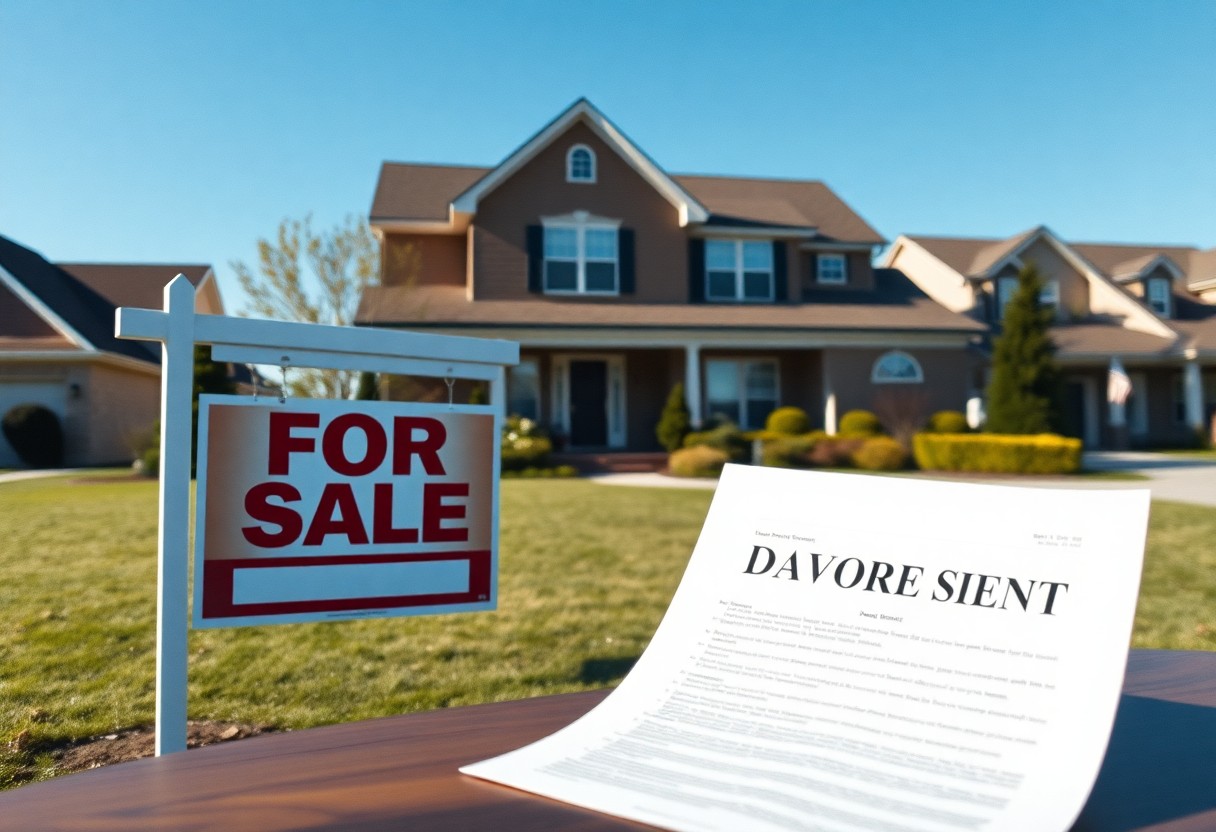
The Role of Real Estate in Divorce Settlements
In the context of divorce settlements, real estate often represents one of the most significant assets you will need to address. The decisions you make regarding property can greatly impact your financial stability post-divorce, making it vital to evaluate options for retaining, selling, or dividing these assets. Understanding local laws and how they apply to your specific situation can help you navigate negotiations more effectively and achieve an outcome that aligns with your long-term goals.
Valuation of Property
Determining the value of your property is a vital step in the divorce settlement process. Typically, you’ll rely on professional appraisals or comparative market analyses to establish fair market value. This valuation should reflect current market conditions, ensuring that neither party benefits unjustly from over- or undervaluation, which can lead to further disputes.
Distribution of Assets
When dividing assets in a divorce, real estate is often one of the largest holdings to address. The distribution is influenced by several factors, such as the length of the marriage, each party’s contribution to the property, and any existing debts. Equitable distribution laws may dictate that property is divided fairly, though not necessarily equally, depending on circumstances and negotiations.
Each spouse’s financial situation and future needs play significant roles in how assets are distributed. If, for example, one spouse has substantially higher income or fewer obligations, the court might favor the other spouse in receiving a larger share of the property to ensure economic stability. Additionally, properties with mortgages might necessitate the assumption of payments by one party, complicating evaluations further. Clear documentation and open communication are vital to preventing misunderstandings in this intricate process.

Challenges in Forcing a Sale
Forcing a sale of jointly owned property post-divorce can be an uphill battle, often complicated by various legal and personal dynamics. Disputes can arise over valuation, timing, and the legal grounds for such a sale, which may escalate into contentious disputes in court. If you both hesitate to let go, this struggle to align your perspectives makes the process even more arduous.
Emotional Factors and Residual Ties
Divorce isn’t just a legal separation; it often leaves emotional scars that can influence your desire to let go of shared property. The home you built together may carry memories and a sense of belonging, making it challenging to consider a sale. Residual ties may lead to anxiety over moving on, complicating the negotiation process, and fostering ongoing conflicts.
- Emotional attachments complicate property disputes.
- Memories associated with the home can impede progress.
- Ongoing conflicts are a risk when selling is forced.
After navigating these emotional complexities, you may find it even harder to reach an agreement on a sale, potentially prolonging the financial and logistical impacts of your divorce.
Financial Implications
The financial implications of forcing a property sale after divorce can be significant. You must consider not only the property’s market value but also the potential costs associated with selling, such as agent fees and necessary repairs. Additionally, what you net from the sale could affect your post-divorce financial stability, impacting things like mortgage obligations or your ability to invest in new housing. Understanding these factors is necessary to making informed decisions.
For instance, if the sale doesn’t cover existing debts tied to the property, you may remain responsible for the balance, straining your finances even further. Furthermore, market conditions can influence the timing and profitability of the sale, which may vary widely; if the market is down, you might sell for less than you hoped. Assess all factors, including market values, financial responsibilities, and potential losses, to better navigate these challenges and avoid long-term financial repercussions.
Alternatives to Forced Sale
Exploring alternatives to a forced sale can provide you with more control over your assets during a divorce. Options like buyouts or co-ownership arrangements can help you retain the property while minimizing conflict and financial strain. By communicating openly with your ex-partner, you may find a solution that satisfies both parties without resorting to court intervention.
Buyouts and Cash Payments
A buyout occurs when one spouse purchases the other’s interest in the property. This can be done through a lump-sum cash payment or by refinancing the mortgage. Ensure you have a clear valuation of the property, ideally through an appraisal, to facilitate a fair transaction. Financing the buyout should align with your financial capability, considering the long-term implications.
Co-ownership Agreements
Co-ownership agreements allow both parties to retain ownership of the property post-divorce. This arrangement typically involves clearly delineating responsibilities for expenses, maintenance, and usage rights. You can define terms for future sale or buyout provisions to guard against potential disputes down the line.
Crafting a comprehensive co-ownership agreement requires careful consideration of various factors, including how you will handle joint expenses, taxes, and property upkeep. Define clear timelines for decision-making regarding the property’s future, such as when and how to sell if either party decides to move on. This collaborative approach not only fosters clear communication but may also enhance the property’s value over time as both parties invest in its upkeep. Consulting a legal professional can help ensure that the agreement is fair and legally binding, providing you peace of mind.
To wrap up
Now that you understand the complexities of forcing a property sale after divorce, it’s important to assess your situation carefully. You can pursue a sale through negotiation or, in some cases, litigation, especially if one party is unwilling to cooperate. Evaluating your legal rights and potential strategies with a qualified attorney can help you navigate this challenging process effectively. Ultimately, proactive communication and a clear strategy will be important in achieving a fair resolution that meets your needs.
FAQ
Q: Can one spouse force the sale of the marital home after a divorce?
A: Yes, a spouse can seek a court order to force the sale of the marital home as part of the divorce settlement, especially if both parties have a legal claim to the property.
Q: How does the court decide on forcing a property sale after divorce?
A: The court considers factors such as ownership, financial obligations, and the overall fairness of the property division, evaluating what is equitable for both parties.
Q: What if one spouse wants to keep the home?
A: If one spouse wishes to keep the home, they may need to buy out the other spouse’s equity or negotiate an alternative settlement that is acceptable to both parties.
Q: Can I sell the house without my ex-spouse’s consent during the divorce process?
A: Generally, selling the house without consent is not advisable and may require court approval; proceeding without it could lead to legal complications.
Q: What happens to the proceeds from the sale of the house?
A: Proceeds from the sale are typically divided according to the divorce settlement agreement or court ruling, which may take into account each spouse’s contribution to the property’s value.
Q: Are there alternatives to forcing a sale of the property?
A: Alternatives may include partitioning the property, refinancing the mortgage, or coming to a mutual agreement regarding who remains in the home and under what terms.
Q: How can I protect my interests regarding property in a divorce?
A: It’s advisable to consult with a divorce attorney to negotiate the property settlement and ensure your rights are represented in court, especially concerning any forced sale.
