
Malaysia’s legal framework does allow certain aspects of divorce to be classified as public records, which means that your divorce details could be accessible to the public. Understanding what information is available and how it can affect you is vital. While the divorce certificate itself may be a private document, certain filings and proceedings are often documented in court records, leading to implications for your privacy and future legal matters.
Key Takeaways:
- Divorce records in Malaysia are generally considered public documents.
- Access to divorce records may be restricted to individuals directly involved in the case.
- The family court manages the filing and storage of divorce records.
- Documentation may include the divorce petition, decree absolute, and court orders.
- Third parties may require a valid reason to access divorce records.
- In cases involving minors or sensitive information, privacy considerations may apply.
- Online access to certain records may vary based on jurisdiction and court policies.
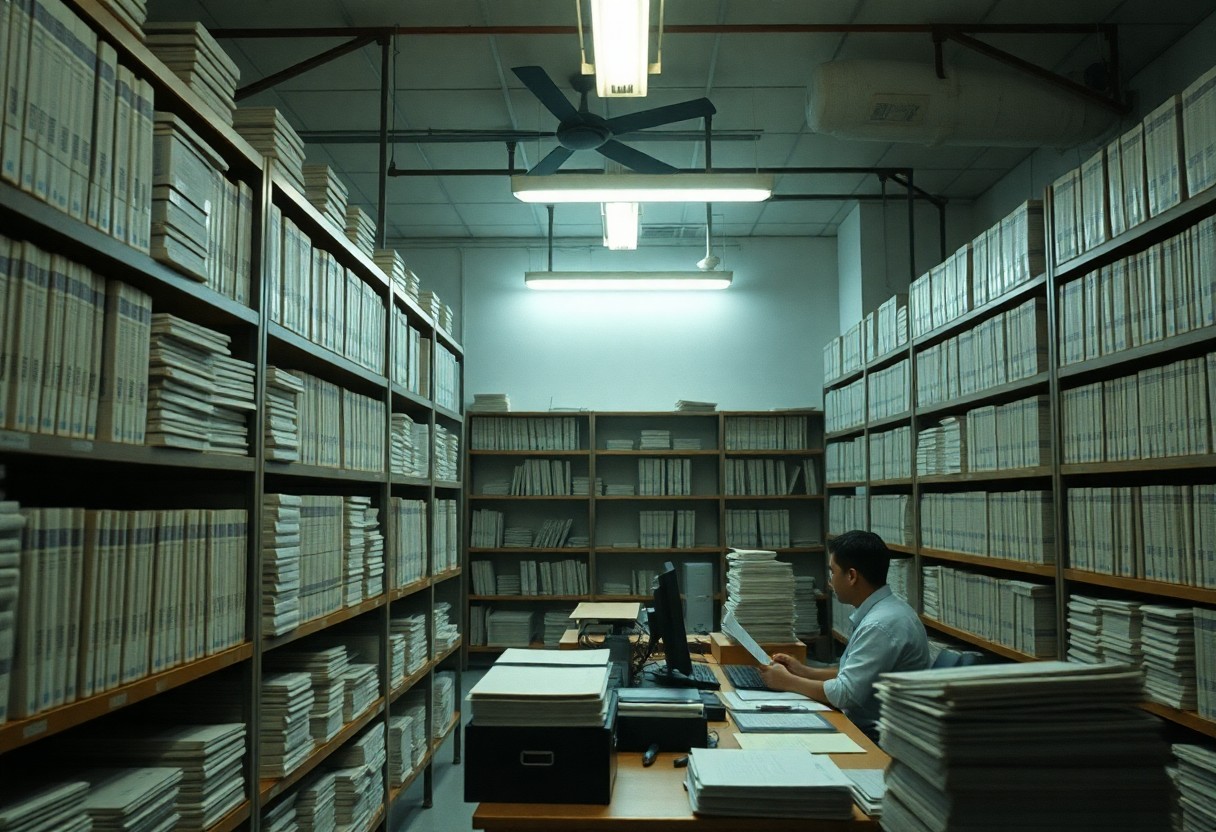
Understanding Public Records
Public records are documents or pieces of information that are not considered confidential and are maintained by government entities. They play a vital role in transparency and accountability, allowing citizens to access crucial information concerning various legal matters, including divorce proceedings, property ownership, and criminal history.
Definition of Public Records
A public record refers to any document or piece of information that is created or maintained by a government agency and is available for public inspection. In the context of divorce, these records include filings and court rulings relevant to the dissolution of marriage, which you can review unless sealed by a court order.
Types of Public Records in Malaysia
In Malaysia, public records encompass a variety of documents that inform the public about legal and administrative matters. Key types include land records, court records, business registrations, birth certificates, and marriage licenses. Accessing these records can help clarify legal standings and ensure transparency in various transactions. Thou should note that not all records are easily accessible; some might require formal requests or fees.
| Type of Record | Details |
| Land Records | Document ownership and transactions |
| Court Records | Details on legal cases and judgments |
| Business Registrations | Information about registered businesses |
| Birth Certificates | Official records of birth |
| Marriage Licenses | Documentation of legal marriages |
In Malaysia, understanding the types of public records gives you a better grasp of the information at your disposal. You can find comprehensive details on land ownership, legal judgments, and registered entities. Accessing these records often requires visiting the respective government offices or online portals dedicated to public information. Much insight can be gained from these databases, and thou should evaluate the importance of each record based on your needs.
| Access Requirement | Typical Process |
| Land Records | Visit relevant state office |
| Court Records | Request from the court registry |
| Business Registrations | Check with Companies Commission |
| Birth Certificates | Request through local registries |
| Marriage Licenses | Obtain from marriage registrars |
Divorce Records in Malaysia
In Malaysia, divorce records are maintained as part of the legal proceedings and are generally accessible to the public. These records serve as official documentation of the dissolution of marriage, detailing pertinent information such as the parties involved, date of divorce, and any judicial rulings. You may find that most of these records are filed in the relevant courts or registries where the divorce was granted, making them available for those who need them for legal or personal purposes.
Legal Framework Governing Divorce
The legal framework for divorce in Malaysia includes the Law Reform (Marriage and Divorce) Act 1976, which governs civil divorces, while Islamic divorces fall under the Syariah law. These laws outline the procedures and conditions for obtaining a divorce, including grounds for divorce, maintenance, and custody issues. Depending on whether you are under civil or Islamic law, the processes and implications may significantly differ.
Accessibility of Divorce Records
Divorce records are accessible to members of the public, although the process may vary depending on the jurisdiction. You can typically obtain these records from the Family Court or the National Registration Department. However, specific criteria might apply to ensure that the information is accessed appropriately.
To request a divorce record, you usually need to provide relevant details such as the names of the parties and the date of the divorce. It’s important to note that while these records are public, some sensitive details might be redacted to protect personal privacy. Additionally, you may be required to pay a nominal fee for obtaining copies, making it important to confirm any local procedures or costs associated with your request.

Confidentiality and Privacy Issues
While divorce records are publicly accessible, issues of confidentiality and privacy are significant. You may find yourself concerned about the implications of your personal information being accessible by others. The Malaysian legal system attempts to balance transparency with the need for privacy, recognizing that sensitive details should be protected from unwarranted exposure to the public eye.
Protection of Personal Information
Malaysian laws safeguard your personal information in divorce records to prevent misuse. Specific details such as financial information, custody arrangements, and personal addresses are often redacted or sealed to maintain your privacy. This effort aims to protect individuals, particularly in high-conflict situations where exposure could lead to harassment or danger.
Exceptions to Public Access
There are notable exceptions to the general rule of public access to divorce records in Malaysia. Certain documents may remain confidential, especially those involving sensitive personal information, domestic violence cases, or where child welfare is at stake.
These exceptions are implemented to prevent further trauma to individuals involved, especially in cases where revealing details could compromise safety or emotional well-being. For instance, if domestic violence is a factor in the divorce, the court may seal those records from public view to protect the victims. Additionally, court discretion plays a role, allowing judges to maintain the confidentiality of records based on specific circumstances or requests from parties involved.
Procedure for Obtaining Divorce Records
To obtain divorce records in Malaysia, you must follow specific procedures set by the relevant authorities. Typically, you can visit the nearest District Court or go online through the official court portal. It is necessary to have pertinent details handy, such as the names of the parties involved and the date of the divorce to expedite the process.
Steps to Request Records
Requesting divorce records involves submitting a formal application along with identification documentation. You may need to fill out a request form and provide necessary details about the divorce case. Depending on the location, you might also be able to request records via mail or their website, ensuring that your application is complete to avoid delays.
Fees and Processing Time
The fees for obtaining divorce records in Malaysia can vary, typically ranging from RM5 to RM50, depending on the complexity and the court’s policies. Processing time usually takes between a few days to a couple of weeks, depending on the workload at the court and the type of request submitted.
For more detailed guidance, visit the official court’s website or contact the court directly for the latest fee structures and processing timelines. Consider that additional charges may apply for expedited services or certified copies of the divorce records, so it’s advisable to plan accordingly to avoid unexpected costs.
Implications of Public Divorce Records
Access to public divorce records can significantly affect various aspects of life, from personal relationships to employment opportunities. For individuals navigating post-divorce dynamics, understanding the implications of these records is vital. The visibility of your marital status can impact your social interactions and even hinder future relationship prospects, making it important to consider how these records may shape perceptions about you.
Impact on Individuals
Your divorce record can have lasting effects on your personal image and relationships. Potential partners may form judgments based on your divorce history, influencing trust and intimacy levels in new relationships. Additionally, if you’re applying for jobs or housing, employers and landlords might review your public records, potentially affecting their decisions.
Social and Legal Consequences
The implications of public divorce records extend into social and legal realms, influencing both day-to-day interactions and broader legal matters. For example, being publicly identified as divorced can subject you to stigma in certain communities, impacting your social standing. Legally, these records may be considered in custody battles or during disputes over shared assets, where courts assess individuals’ backgrounds and behaviors.
If divorce becomes a public subject, you may face isolation or judgment from peers, affecting your mental health. Legal implications can also arise in contentious custody disputes, as documented behaviors and histories are scrutinized. Your personal history may affect legal decisions, especially concerning alimony and property division, where any claims of misconduct can have added legal weight. Thus, the visibility of your divorce can increase vulnerability during legal proceedings.

Case Studies and Examples
Examining notable divorce cases in Malaysia sheds light on the implications of public records in such matters. These examples provide insight into the emotional toll and public perceptions surrounding divorce.
- Case 1: A prominent businesswoman’s divorce revealed asset disputes valued at over RM 10 million, attracting significant media attention.
- Case 2: A celebrity couple’s divorce was filed in Kuala Lumpur, resulting in over 1,000 media reports and social media discussions.
- Case 3: A politician’s public divorce proceedings highlighted issues of child custody, swaying public sentiment and voter opinions.
High-Profile Divorce Cases
High-profile divorce cases often dominate news cycles, drawing public scrutiny and speculation. For instance, when a famous actor and singer went through their divorce, the media reported daily updates, emphasizing their estimated joint assets of RM 20 million. This kind of public attention underscores how celebrity status can amplify divorce proceedings.
Public Reactions and Media Coverage
Public reactions to divorce cases, especially those involving celebrities and public figures, can be intense and varied. Coverage often includes social media discussions, opinion pieces, and public polls, reflecting societal attitudes towards marriage and divorce. The emotional aspects of these cases resonate widely, influencing public discourse significantly.
In such situations, the media plays a pivotal role in shaping public opinion, often prompting debates regarding morality and family values. Readers and viewers engage deeply with stories of high-profile divorces, leading to widespread discussions about the implications of divorce on personal lives and society. The judgments and sentiments expressed can lead to increased empathy or hostility towards the individuals involved, showcasing the complex nature of public perception in divorce cases.
Summing up
As a reminder, divorce records in Malaysia are considered public documents, meaning you can access them under specific conditions. These records are managed by the relevant courts and can often be obtained by those with a legitimate interest. However, it’s important to understand any privacy implications or restrictions associated with accessing these records. Always ensure that you approach the process correctly to avoid potential legal issues.
FAQ
Q: Is divorce considered a public record in Malaysia?
A: Yes, divorce proceedings in Malaysia are generally considered public records. This means that certain details about the divorce, such as names and the date of filing, may be accessible to the public.
Q: How can I access divorce records in Malaysia?
A: Divorce records can be accessed through the Malaysian court system where the divorce was filed. Interested individuals may need to visit the relevant court or contact it directly to obtain the necessary information.
Q: Are all details of a divorce publicly available in Malaysia?
A: While basic information like names and filing dates are public, specific details regarding the case, such as financial settlements or personal circumstances, are typically not accessible to the public to protect privacy.
Q: Can a person challenge the public nature of divorce records in Malaysia?
A: It is possible to seek a court order to seal certain records if there is a significant reason to keep them private, such as concerns over safety or privacy. Legal advice may be necessary in such cases.
Q: Are online searches available for divorce records in Malaysia?
A: Currently, there is limited availability for online searches of divorce records in Malaysia. Most records require in-person requests or formal applications to the relevant court authorities.
Q: How long does it take to obtain divorce records in Malaysia?
A: The time frame for obtaining divorce records varies depending on the court’s processes and the specific circumstances of the case. It can take from a few days to several weeks.
Q: Do I need a lawyer to access divorce records in Malaysia?
A: While it is not strictly necessary to hire a lawyer to access divorce records, legal assistance may be beneficial if you encounter difficulties or require guidance on specific legal processes.
