
You must be prepared for your divorce hearing in Klang by gathering important documents and items. Bringing financial statements, proof of income, and parenting plans can significantly impact the outcome of your case. Be sure to include any evidence of shared assets and personal identification. Having these materials ready will ensure you present a strong case and protect your interests during the proceedings. Your readiness can lead to a more favorable resolution, making your preparation an important step in the divorce process.
Key Takeaways:
- Bring all relevant financial documents, including bank statements, tax returns, and a list of assets and liabilities.
- Prepare copies of any agreements or contracts that pertain to the marriage, such as prenuptial agreements.
- Gather important identification documents, such as your identification card or passport.
- Compile evidence supporting your case, including photographs, messages, or witness statements.
- Include documentation for any children involved, like birth certificates and school records.
- Consider bringing a lawyer with you for legal guidance during the hearing.
- Organize your documents in a logical order to present them effectively during the hearing.
Understanding Divorce Hearings
The divorce hearing is a significant legal proceeding where both parties present their cases before a judge. This event determines key outcomes, such as asset distribution, child custody, and support arrangements. It’s imperative to be well-prepared as the decisions made can have long-term effects on your future.
Overview of the Divorce Process
The divorce process typically starts with filing a petition and serving your spouse. After that, both parties may enter a period of negotiation, sometimes including mediation, before the hearing. Depending on the complexity of issues, this process can take several months, leading up to the final hearing where final decisions are made.
Importance of Preparation
Being prepared for your divorce hearing enables you to effectively present your case, ensuring that your voice is heard. Preparation involves gathering documents, formulating arguments, and possibly having legal representation, which can significantly impact the outcome of your case.
Preparing for your divorce hearing involves more than just collecting documents; it includes understanding the legal framework and anticipating counterarguments from your spouse. Having a clear strategy will help you articulate your position to the judge effectively. For instance, if you’re seeking child custody, providing relevant evidence, such as parenting plans and the child’s needs, demonstrates your commitment and can influence the court’s decision. Engaging with a legal professional can further refine your approach, increasing your chances of a favorable outcome.

Essential Documents to Bring
Preparing the right documentation is vital for a successful divorce hearing. Essential documents include identity verification, financial statements, and any relevant legal papers pertaining to your case. These records will not only support your claims but also demonstrate your preparedness, impacting the court’s perspective on your situation.
Identity Verification Documents
To validate your identity in court, you must provide government-issued identification such as your National Identity Card (MyKad) or passport. These documents establish your identity and are fundamental in maintaining the integrity of the legal process.
Financial Statements
Comprehensive financial statements are necessary to assess your financial situation post-divorce. You should gather information regarding assets, liabilities, income, and expenses, presenting a clear picture of your financial landscape to the court.
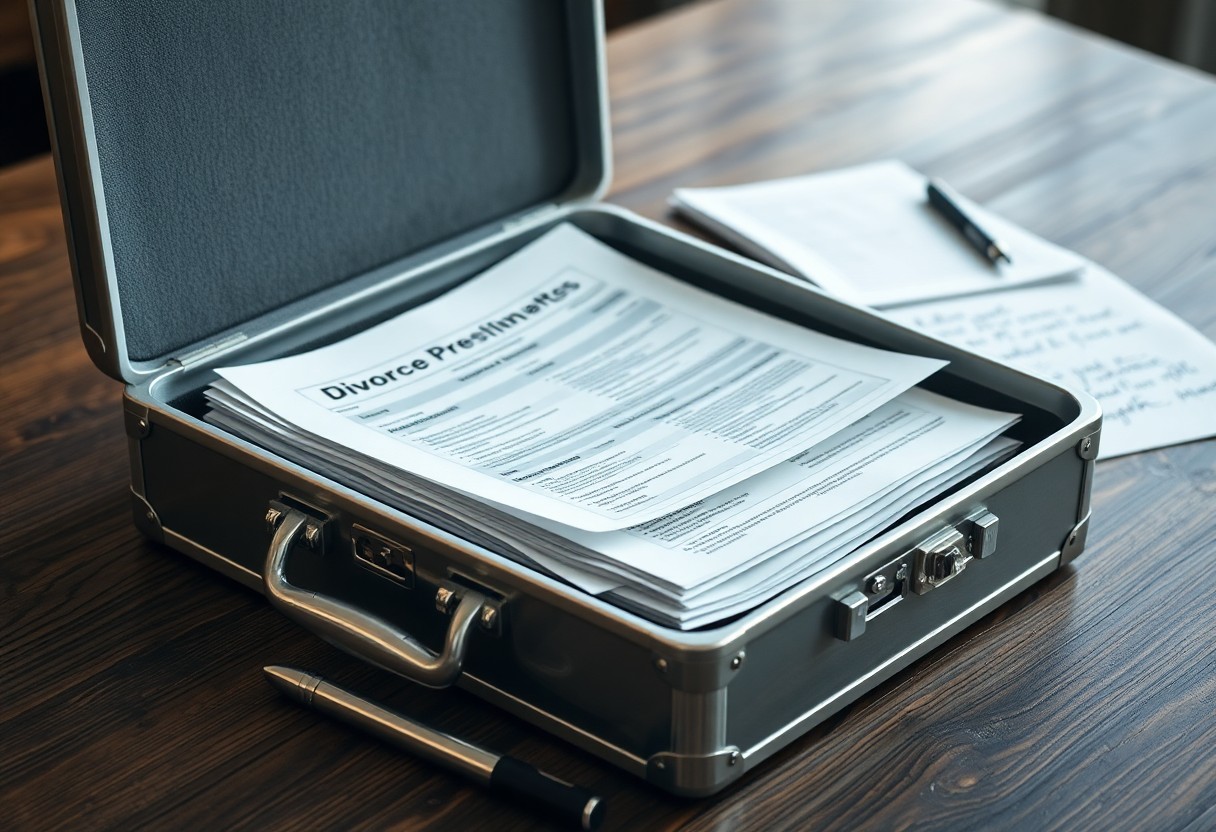
Your financial statements should include bank statements, tax returns for the last three years, pay stubs, and documentation on property ownership. This information is vital in determining alimony or child support decisions. Accurate and organized financial documents can significantly influence the outcome of your divorce by revealing your true financial position, ensuring the court makes informed decisions regarding asset division and ongoing financial obligations.
Supporting Evidence
Your case will be significantly strengthened by presenting supporting evidence during the hearing. This evidence can include various documents, records, and testimonies that substantiate your claims and provide the judge with a clearer understanding of your situation. Having well-organized evidence not only demonstrates your preparedness but also helps to convey your position more effectively.
Communication Records
Collecting communication records is imperative as they can reveal patterns of behavior or specific incidents pertinent to your case. These may encompass text messages, emails, or social media exchanges that support your claims regarding custody, financial matters, or any relevant disputes.
Witness Information
Identifying potential witnesses can significantly impact your divorce hearing. Witnesses can offer first-hand accounts that corroborate your story, whether they are friends, family, or professionals who have witnessed relevant interactions. It’s vital to prepare them for their roles and ensure they understand what to expect during the hearing.
When considering witness information, ensure you provide detailed contact information and a brief statement about what each witness can testify to. For instance, a friend who observed specific incidents of behavior can provide valuable insights into your spouse’s actions, while a financial advisor might validate your claims about asset division. The more credible your witnesses, the stronger your position in the hearing. Properly preparing these individuals will help them articulate their observations effectively, adding weight to your case.

Legal Representation
Securing effective legal representation is key for navigating the complexities of your divorce hearing in Klang. An experienced lawyer understands the local laws and court processes, ensuring that your interests are adequately represented. They can guide you in the preparation of necessary documents and advise you on the best strategies for presenting your case. Without a qualified professional, you may struggle to articulate your position, potentially jeopardizing your outcomes.
Importance of a Lawyer
Hiring a lawyer is vital to protect your rights and interests. They will provide you with expert legal advice, inform you about possible outcomes, and help to mitigate risks. A lawyer’s experience is invaluable in negotiations, especially regarding asset division and custody arrangements.
Questions to Ask Your Lawyer
Before your first meeting, prepare a list of questions to ensure the lawyer you choose aligns with your needs. Inquire about their experience with cases similar to yours, their fee structure, and how they plan to approach your case. Understanding their communication style and availability is also important.
When considering your lawyer’s expertise, ask about their success rate in divorce cases and any relevant certifications. Discuss potential timelines for your case and how they will keep you updated on progress. Understanding how they approach negotiations can reveal their strategies, helping you feel more confident in the representation you will receive during your divorce hearing.
Emotional and Mental Preparation
Preparing emotionally and mentally for your divorce hearing is important for maintaining focus and clarity. It’s normal to feel a range of emotions, from anger to sadness; however, allowing these feelings to overwhelm you can hinder your performance. Establishing a mindset geared toward resolution rather than conflict will facilitate a more productive hearing. Consider practicing mindfulness or visualization techniques to cultivate a sense of calm and confidence as you approach this significant life transition.
Managing Stress and Anxiety
Effective stress and anxiety management techniques can help you stay grounded during your divorce hearing. Engaging in deep-breathing exercises, meditation, or even light exercise can mitigate nervousness. Setting realistic expectations about the hearing outcome can also reduce anxiety. Approach your hearing with a balanced perspective, understanding that while difficult, this process is a step towards a new beginning.
Support Systems
Building a solid support system is vital during a divorce. Surround yourself with friends, family, or support groups who understand your situation and can offer emotional support. Sharing your fears and experiences can lighten your emotional load, providing comfort during this challenging time.
Support systems can be incredibly beneficial. Having someone to listen to you’s restorative and can offer practical advice based on their own experiences. Engaging in support groups, either online or in-person, introduces you to individuals undergoing similar situations, fostering a sense of community. Studies show that individuals with strong support systems report better emotional and psychological outcomes during divorces. Prioritizing this network can serve as a significant buffer against the stresses you will face throughout the legal process.
Day of the Hearing
The day of your divorce hearing in Klang can be overwhelming, yet it’s vital to stay composed. Arrive early to avoid any last-minute rush. Bring all necessary documentation, including petitions, financial statements, and evidence that supports your case. Being well-prepared will instill confidence as you present your side to the judge.
What to Expect
On the day of the hearing, expect to meet with your lawyer for a final briefing, which will help clarify the process and outline your arguments. The judge will hear both parties, review the evidence, and ask questions. Be prepared for the possibility of mediation or discussions aimed at reaching an agreement before making any final decisions.
Dress Code and Behavior
Your attire and conduct on the day of the hearing can significantly impact the proceedings. Dress appropriately, opting for business formal or smart casual attire that conveys respect for the court. Maintain a polite demeanor, avoid confrontation, and listen carefully to the judge and your attorney.
How you present yourself speaks volumes. Dressing neatly and professionally fosters a positive impression, while casual or inappropriate clothing may distract from your case. Additionally, displaying calmness and respect-through good posture and attentive listening-reinforces your commitment to the process and can influence the judge’s perception positively. Avoid emotional outbursts or side conversations; these can undermine your credibility.
Final Words
With these considerations in mind, ensure you gather all necessary documents and evidence before your divorce hearing in Klang. This includes financial records, property information, and any correspondence relevant to your case. Organizing these materials will help you present your side clearly and confidently. Additionally, consider making copies of everything for your records and for the court. By being well-prepared, you empower yourself during the hearing process, ultimately working towards achieving the best possible outcome for your situation.
FAQ
Q: What documents should I bring to my divorce hearing in Klang?
A: Bring your marriage certificate, identification documents, financial statements, property deeds, and any relevant court petitions or filings.
Q: Is it necessary to bring financial records to the hearing?
A: Yes, it is important to bring financial records, including income statements, tax returns, and bank statements to support financial disclosures and any claims related to asset division.
Q: Should I bring witnesses to my divorce hearing?
A: If you have witnesses who can support your case, bring them along. Their testimony can provide additional context and strengthen your arguments.
Q: What if I have children? What documents related to them should I bring?
A: Bring any documents related to your children, such as birth certificates, school records, and evidence of parenting arrangements or custody agreements.
Q: Are there any items I should avoid bringing to the hearing?
A: Avoid bringing unnecessary personal items or any documents that are not relevant to your case, as this can lead to confusion and delay.
Q: Do I need to bring copies of all documents?
A: Yes, it is advisable to bring multiple copies of all documents for the judge, the opposing party, and your legal representative, ensuring everyone has access to the information.
Q: How should I organize my documents for the hearing?
A: Organize your documents in a folder or binder, categorizing them clearly. This ensures easy access and helps present your case more effectively during the hearing.
