
You may be wondering how your loans and debt will be affected by divorce. Understanding the division of financial responsibilities is vital, as joint accounts can complicate your financial future. Your obligations may include everything from credit card debts to mortgages, and knowing how these will be handled can alleviate future financial strain. It’s important to actively participate in negotiations to protect your interests and ensure a fair distribution of liabilities.

Key Takeaways:
- Loans and debts incurred during marriage are typically considered marital property, subject to division.
- Debt distribution in divorce is based on state laws, which may apply equitable distribution or community property principles.
- Individual debts, such as those solely in one spouse’s name prior to the marriage, may not be shared.
- Divorce agreements can dictate who is responsible for specific debts in the future.
- Failure to pay shared debts can impact credit scores for both parties, regardless of the divorce decree.
- Refinancing loans in one spouse’s name may be necessary to separate debt obligations post-divorce.
- Consulting a financial advisor or attorney can help navigate the complexities of debt division after divorce.
Understanding Loan Liabilities
Loan liabilities after a divorce can significantly impact your financial landscape. Determining who is responsible for the outstanding debts often revolves around whether the loans were taken out jointly or individually, affecting not just credit scores but also personal financial stability. It’s imperative to address these liabilities during divorce negotiations to avoid complications later on.
Joint vs. Individual Loans
Joint loans typically imply shared responsibility, meaning both spouses are liable for repayment. In contrast, individual loans are your personal responsibility, regardless of marital status. This distinction is vital; when it comes to joint loans, creditors often pursue either spouse for payment, which can complicate matters if only one party benefits from the loan.
Impact of Divorce on Loan Responsibility
The division of debts during divorce can lead to ongoing financial implications, especially for joint loans. If a court assigns a joint debt to one spouse, the other may still be liable if the first fails to pay, leaving you vulnerable to negative credit impacts despite the divorce agreement.
Understanding the implications of divorce on loan responsibilities is imperative for your future financial health. For example, if you and your spouse took out a joint mortgage, even after the divorce decree assigns repayment responsibility to one partner, the lender may still hold both accountable until the loan is refinanced or sold. This can impact your ability to secure future loans, as unpaid debts can continue to reflect on your credit report. Always ensure that divorce negotiations include clear terms regarding debt division and loan responsibilities to safeguard your financial future.
Dividing Debt in Divorce
During divorce proceedings, dividing debt can become contentious, as both parties must assess their financial responsibilities. The process requires transparency and accurate accounting of all debts incurred during the marriage. Any outstanding balances on loans, credit cards, and mortgages will typically be evaluated to determine who assumes liability. Effective negotiation and clear documentation are vital for achieving a fair distribution of debt.
Equitable Distribution of Debt
Equitable distribution means that debt is allocated fairly, but not necessarily equally. Courts consider various factors such as income, the duration of the marriage, and each spouse’s financial situation. This legal principle emphasizes fairness, meaning that one spouse may take on more debt if their financial standing justifies it. You may want to gather all financial statements to ensure a reasonable assessment during negotiations.
Marital vs. Non-Marital Debt
Determining what constitutes marital versus non-marital debt is important in divorce proceedings. Generally, marital debt includes any debt incurred during the marriage, while non-marital debt pertains to obligations acquired before marriage or through individual inheritance. However, this distinction can be nuanced, as debts may change in status based on how they were used or if both spouses benefited from them.
For instance, if one spouse acquired a credit card prior to marriage but used it for joint expenses afterward, this debt may be considered marital. You should analyze what debts were accumulated during the marriage versus those held individually beforehand, as this impacts your financial obligations post-divorce. Clear documentation and understanding of each debt’s nature can aid in making informed decisions during negotiations.
Credit Scores Post-Divorce
How Divorce Affects Credit
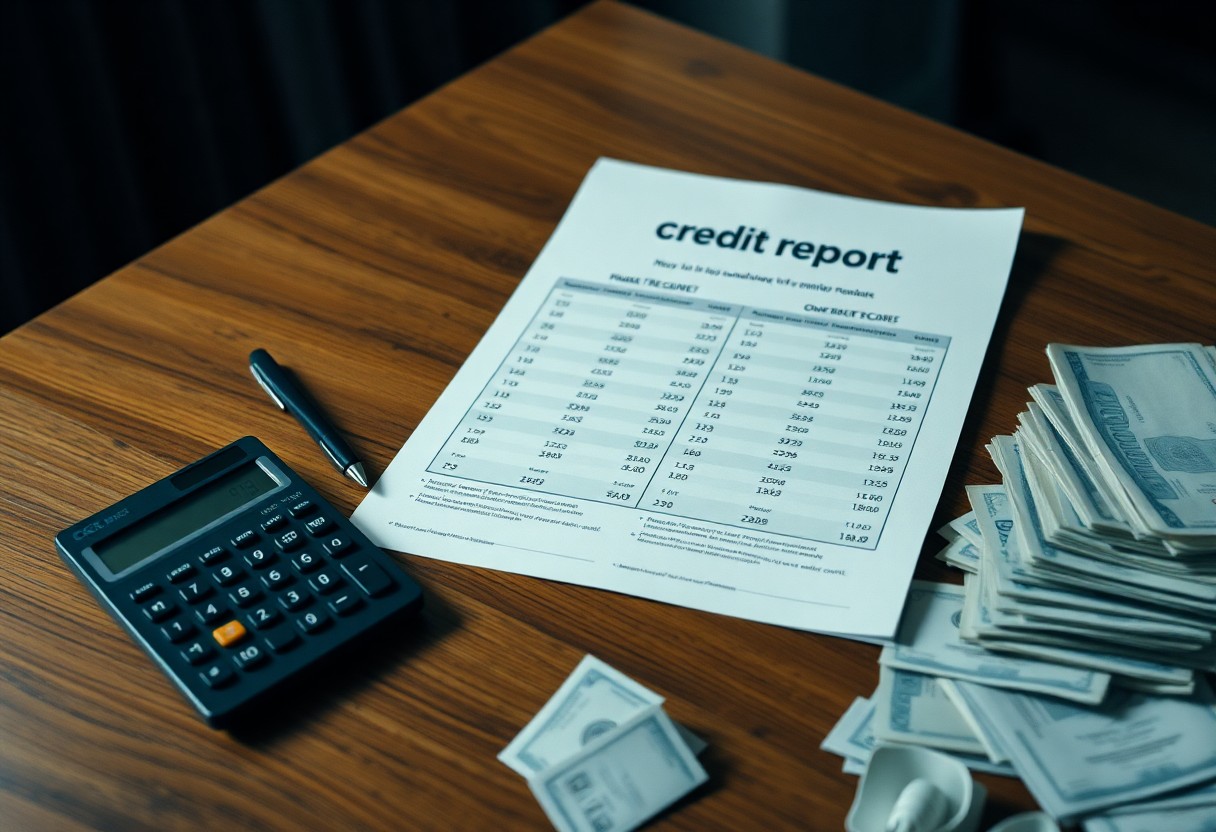
Your credit score can take a hit after divorce due to shared accounts or debts that aren’t properly managed. If joint accounts remain open and bills go unpaid, both spouses’ scores suffer. A significant decrease in score occurs when one party fails to uphold financial obligations, affecting future loan applications.
Managing Credit After Separation
Post-separation, prioritizing your credit health is vital. Begin by obtaining your credit report to monitor changes and disputed items. Lock or close joint accounts to prevent new charges. Establish individual accounts to build your credit history separate from your ex-spouse.
Managing your credit diligently after separation can lead to a stronger financial future. Implementing actions like creating a personal budget or setting up automatic payments helps you remain accountable. Focus on paying down debts forged during the marriage while ensuring that you maintain a payment history that reflects positively on your credit profile. Aim for a steady re-establishment of creditworthiness, potentially considering a secured credit card if your score is impacted significantly.
Legal Considerations
When navigating debt post-divorce, understanding legal implications is vital. Divorce decrees can significantly influence how debts are assigned, and failing to adhere to these can lead to financial repercussions. Each state has different laws regarding asset and debt division, which affects how your liabilities are treated after separation.
Court Orders and Debt Allocation
After your divorce, the court will issue orders regarding the allocation of debts. These orders dictate who is responsible for each loan or credit obligation. It’s important to note that while the court can divide debts, creditors may still hold both parties liable if they were joint accounts, potentially leading to mixed financial results despite the court’s decisions.
The Role of Mediation in Debt Division
Mediation can play a significant role in negotiating debt division during divorce proceedings. By working with a neutral mediator, you can foster constructive dialogue, enabling both parties to openly discuss financial concerns and reach an agreement that reflects individual capabilities. This collaborative process often results in tailored solutions, helping to mitigate conflicts and producing equitable debt arrangements.
Using mediation for debt division can lead to more acceptable outcomes as it encourages you and your ex-partner to openly express concerns about your financial situation. For example, if one of you has significantly greater income potential, mediators can help structure payments or responsibilities in a way that recognizes that disparity. This approach often leads to creative solutions, such as reduced payments over time or the assumption of certain debts in exchange for assets, ultimately fostering a smoother transition into post-divorce financial independence.

Protecting Your Financial Future
Taking proactive measures can safeguard your financial future after divorce. Understanding how your assets and debts will be divided, keeping detailed financial records, and seeking professional advice are vital steps. Collection of documentation regarding your income, expenses, and credit will provide clarity as you navigate this transition. Prioritizing your financial literacy puts you in a stronger position to make informed decisions going forward.
Steps to Take Before Divorce
Before initiating the divorce process, gather all financial documents, including tax returns, bank statements, and credit reports. This preparation allows you to understand your current financial situation and make informed decisions regarding asset division. Additionally, consider closing joint accounts to prevent further debt accumulation, and consult with a financial advisor or attorney for tailored advice on your specific circumstances.
Financial Planning for Post-Divorce Life
To ensure a smooth transition after divorce, develop a comprehensive financial plan. Assess your new budget based on your updated income and expenses. This should include housing costs, food, and child-related expenses if applicable. Prioritize building an emergency fund and reconsider your retirement savings, as your lifestyle changes will impact your long-term financial health.
Effective financial planning after divorce involves more than just a new budget; it requires an evaluation of your life goals. Begin by reviewing your spending habits and adjusting them to align with post-divorce realities. For example, if you’re now a single parent, focus on expenses related to child care and education while also establishing your own savings plan. Investing in your education or job training can further bolster your earning potential, ensuring you build a stable financial foundation for the future. Moreover, stay informed on your credit status to manage debt responsibly and maintain valuable assets.
Resources and Support
Accessing the right resources and support systems is crucial for managing debt and loans after a divorce. These can include financial counselors, legal advisors, and other professionals who can guide you through intricate financial landscapes and empower you to make informed decisions.
Financial Counselors
Financial counselors can aid you in creating a solid budget post-divorce, assessing your debt, and developing strategies to rebuild your finances. They often provide personalized advice tailored to your situation, enabling you to navigate the reshaping of your financial future with confidence.
Legal Advisors
Consulting with legal advisors helps ensure that your rights are protected during the divorce process. They assist in interpreting the terms of your divorce decree, especially concerning the division of debts and assets, which can significantly impact your financial obligations and credit rating.
A skilled legal advisor can offer solutions and strategies tailored to your circumstances. They can review your divorce settlement details, highlighting areas that might lead to misunderstandings or disputes. Engaging with a qualified attorney can prevent future legal challenges and clarify your responsibilities regarding shared debts or liabilities, ultimately securing your financial well-being in the long term.
Conclusion
With these considerations, navigating loans and debt after divorce requires careful attention to how liabilities are divided. You should evaluate joint debts, clarify responsibilities in your divorce decree, and monitor your credit to avoid complications. By staying informed and proactive, you can effectively manage the financial implications of your divorce, protect your interests, and move towards rebuilding your financial health.
FAQ
Q: What happens to joint loans after divorce?
A: Joint loans typically remain the responsibility of both parties unless specifically restructured in the divorce settlement. Both parties may still be liable for full repayment, regardless of who continues to make payments post-divorce.
Q: Can I remove my ex-spouse from a joint credit card after divorce?
A: Yes, you can request to remove your ex-spouse from a joint credit card account. This often requires closing the account and potentially opening a new one in your name alone to ensure you are not held responsible for any new charges made by your ex.
Q: How are debts divided in a divorce?
A: Debts are typically divided based on state laws and the specifics of the couple’s financial situation. Marital debts acquired during the marriage are usually split equitably, meaning they must be fairly distributed, though not necessarily equally.
Q: Will my ex-spouse’s debt affect my credit score?
A: Yes, if you are a co-signer or joint account holder on debts with your ex-spouse, their payment behavior can impact your credit score. Late payments can lower your score even if you are not responsible for the debt post-divorce.
Q: What steps can I take to protect myself from my ex-spouse’s debt?
A: To protect yourself, ensure all joint debts are settled or refinanced in one party’s name during the divorce. Additionally, regularly monitor your credit report for any co-signed debts and ensure your name is removed from any joint accounts.
Q: Can debts incurred after separation be considered during divorce proceedings?
A: Generally, debts incurred after separation are not considered marital debts and are typically the responsibility of the individual who incurred them. However, specific circumstances and local laws may vary.
Q: How does divorce affect student loan debt?
A: Student loans usually remain the responsibility of the spouse who incurred them, as they are classified as separate debt. However, if the loans were taken out during the marriage or if both parties benefited from the education, they may be subject to division.
