
There’s a lot to consider if you’re contemplating remarriage after a civil divorce in Malaysia. You must ensure that your divorce has been finalized and that you have obtained a Divorce Certificate. Additionally, you should be aware of the mandatory waiting period before you can legally remarry, which is typically three months for women and one month for men. Understanding these legal stipulations can help you navigate your next steps confidently.
Key Takeaways:
- In Malaysia, individuals can remarry after a civil divorce is finalized.
- A waiting period of 3 months applies before remarriage, known as the ‘iddah’ period.
- Both parties must obtain a divorce certificate for legal remarriage.
- It’s crucial to ensure all legal obligations from the previous marriage, such as alimony or child support, are resolved.
- Registration of the second marriage follows standard procedures, including submitting necessary documents.
- Muslim individuals are subject to Sharia law, which has additional conditions regarding remarriage.
- Civil marriages are governed by the Law Reform (Marriage and Divorce) Act 1976 in Malaysia.
Understanding Civil Divorce in Malaysia
Civil divorce in Malaysia is governed by the Law Reform (Marriage and Divorce) Act 1976, which applies to civil marriages. The process requires you to file a divorce petition, substantiating grounds such as irretrievable breakdown of the marriage. Upon acceptance, the court will issue a final divorce decree, officially terminating the marital relationship. Understanding this framework is crucial for navigating your post-divorce life, particularly if remarriage is on the horizon.
Overview of Civil Divorce
In Malaysia, civil divorce involves a legal process where a married couple formally ends their union through court proceedings. This process typically requires that one party files a petition, demonstrating valid grounds as specified under Malaysian law. After reviewing the case, the court may decree a divorce, leading to the dissolution of all marital ties.
Legal Implications
The legal implications of civil divorce are significant and multifaceted. Once divorced, you are no longer entitled to claim spousal support, and any joint assets will need to be divided according to Malaysian law. It’s crucial to finalize custody arrangements if children are involved, as these will impact your future obligations and rights.
Additionally, the finalization of a civil divorce impacts your legal status in terms of property rights and obligations. For example, without a settlement agreement, disputes regarding shared assets may arise long after the divorce has been granted. It’s advisable to seek legal counsel to ensure that all terms of the divorce, including asset division and custody arrangements, are comprehensively documented to protect your interests moving forward.

Legal Process of Remarriage
To initiate your remarriage in Malaysia after a civil divorce, you must follow a legal process that involves submitting your application to the relevant authorities, typically the National Registration Department (JPN). This ensures that your new marital status is officially recognized, and you can acquire the necessary certificate of marriage.
Required Documentation
Your remarriage application requires specific documentation, including your original divorce certificate, identification documents, and sometimes a statutory declaration. These documents confirm that you are legally free to remarry and that your previous marriage has been dissoluted.
Waiting Period After Divorce
The waiting period after a civil divorce before you can remarry is generally three months. This timeframe allows for legal clarity and emotional healing, ensuring that both you and your former spouse have settled any outstanding matters.
This three-month waiting period, established under Malaysian law, is significant as it serves multiple purposes. It provides a buffer to address emotional implications and any legal obligations post-divorce. Additionally, during this time, if there are children involved, arrangements for their custody can be finalized. Thus, you must respect this timeline as you prepare for your next chapter.
Cultural and Religious Considerations
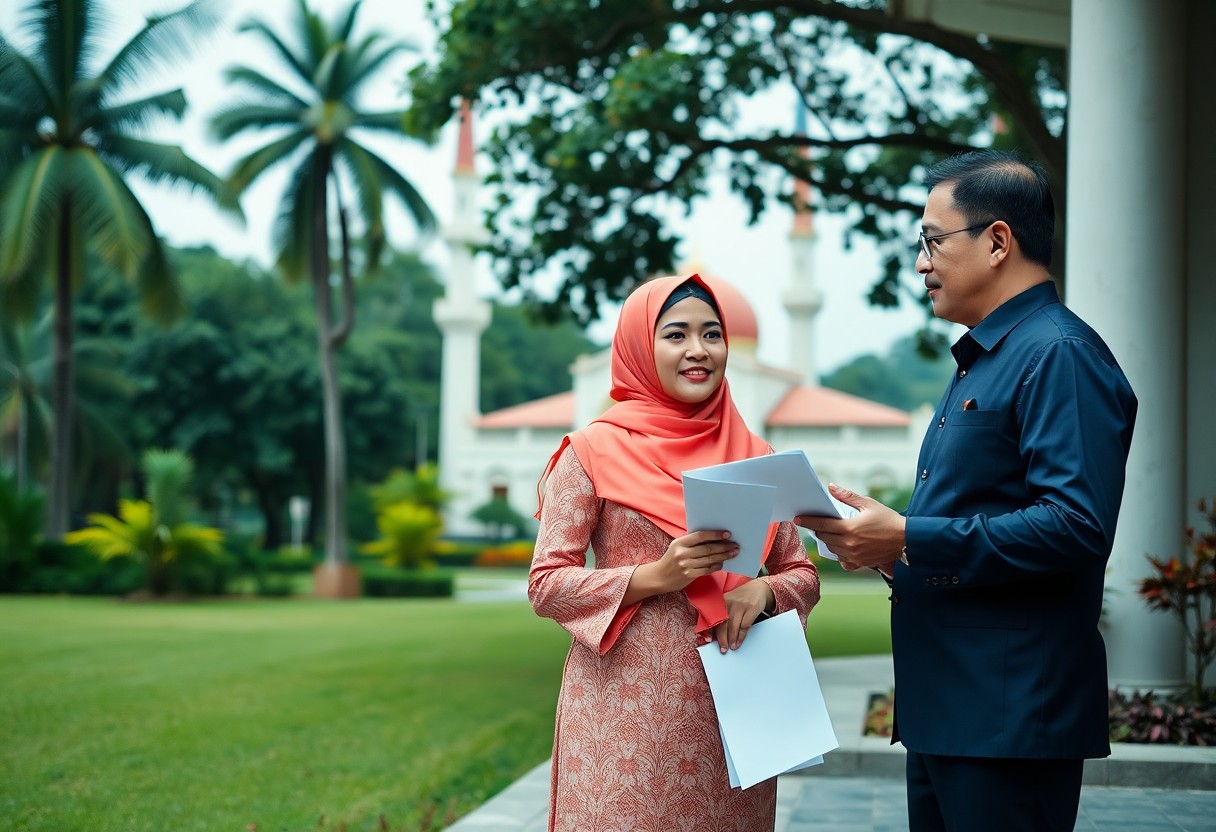
Your decision to remarry after a civil divorce in Malaysia is heavily influenced by cultural and religious contexts. Various communities view remarriage differently, leading to diverse attitudes and practices. These perspectives significantly shape personal choices and societal acceptance, making it necessary to understand how your community’s values may affect your remarriage journey.
Impact on Different Communities
Diverse cultural backgrounds in Malaysia can lead to varied responses towards remarriage. For example, the Malay community often emphasizes traditional values, where societal approval is paramount. In contrast, the Chinese community may prioritize personal happiness, promoting a more liberal approach. Understanding these nuances ensures you navigate your social landscape effectively.
Religious Perspectives on Remarriage
Different religions in Malaysia have distinct views on remarriage following a divorce. Islam, for instance, allows remarriage after observing a waiting period called iddah, while Christianity may stress the importance of reconciliation, yet still recognizes remarriage under certain conditions. Engaging with your religious leader can provide valuable insights tailored to your faith.
Within Islam, the iddah period typically lasts three menstrual cycles or three months if not menstruating. This serves to ascertain that there are no lingering marital ties and to establish any potential waiting for childbirth. In contrast, Christian denominations vary widely; some may discourage remarriage entirely, considering it a form of adultery, while others embrace it as a path to healing and personal fulfillment. Engaging in open discussions with religious authorities helps you clarify your stance and align it with your personal beliefs and values.
Rights and Obligations Post-Divorce
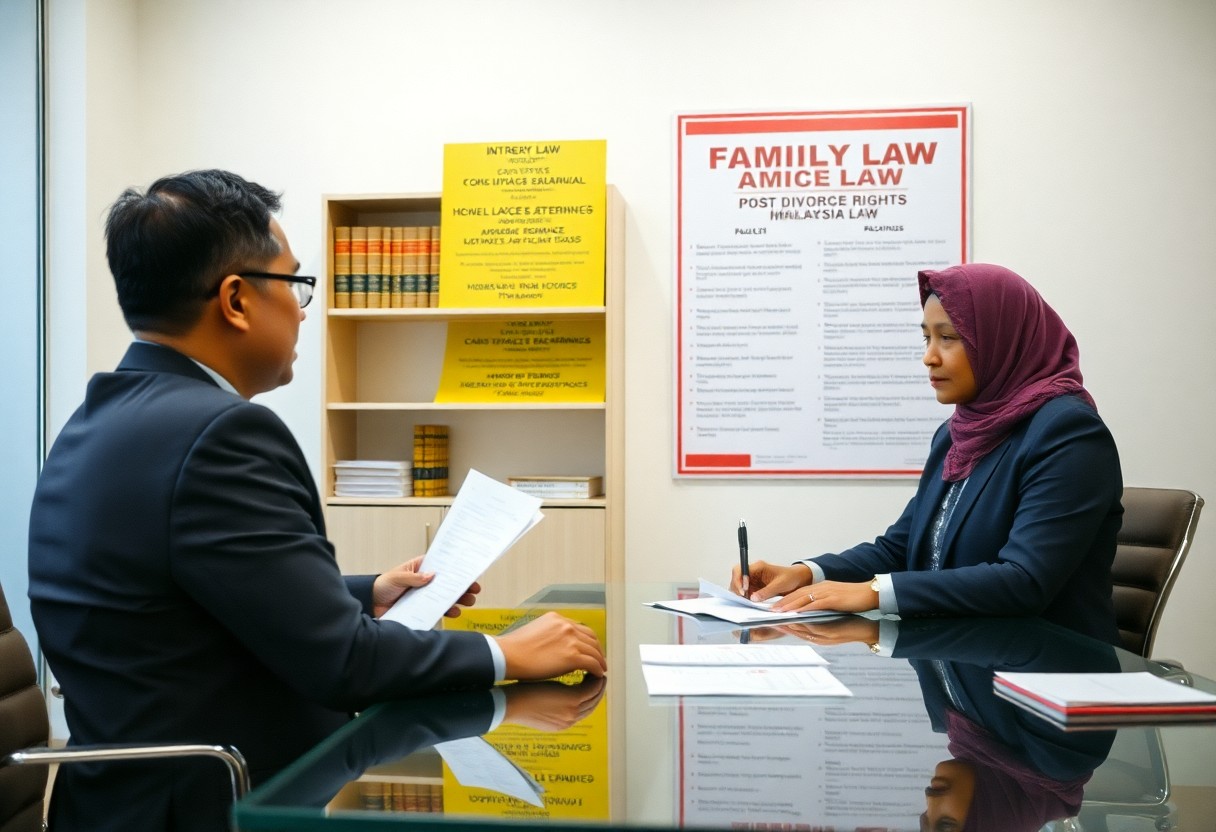
Your rights and obligations after a civil divorce in Malaysia significantly impact your life moving forward. It’s important to understand the legal entitlements and responsibilities you maintain or relinquish post-divorce, as this framework governs all future decisions, especially concerning children and financial matters.
Child Custody and Support
With respect to child custody, Malaysian courts prioritize the child’s best interests, which may affect custody arrangements and visitation rights. Both parents have a duty to provide financial support, including education and healthcare, regardless of custody status, ensuring the child’s well-being remains paramount.
Financial Responsibilities
Financial obligations following a divorce also hinge on several factors, including pre-divorce financial arrangements and the nature of asset distribution. You may be required to settle spousal support or alimony, especially if there is a substantial disparity in income or if one spouse sacrificed career opportunities for family responsibilities.
Specifically, the amount and duration of spousal support can be influenced by various factors like the length of marriage, age, and physical or mental health of both parties. Additionally, you need to keep your income and expenses transparent, as judicial scrutiny during any disputes could arise. Neglecting your financial responsibilities can lead to legal repercussions, emphasizing the importance of adhering to court orders for child support and spousal maintenance.
Common Misconceptions About Remarriage
Many individuals harbor misconceptions about remarriage after a civil divorce in Malaysia. Some believe that a remarriage is only permitted after an extensive waiting period or that societal discrimination will make it difficult to find a new partner. These misunderstandings can prevent you from exploring new beginnings, as the reality is that the legal and social pathways for remarriage are often more straightforward than imagined.
Myths vs. Facts
You may encounter several myths surrounding remarriage in Malaysia. A common myth is that remarriage implies legal complications leftover from your previous marriage. In truth, when all legal matters are settled during divorce, you can remarry with relative ease, barring any specific cultural or religious restrictions that you may need to consider.
Frequently Asked Questions
People often have various questions regarding remarriage after a civil divorce in Malaysia. Clarifying these queries can help demystify the process and provide guidance for your next steps. Questions typically involve the legality of your remarriage, the documentation needed, and how remarriage might impact your children or financial obligations.
Common inquiries include: “Is there a waiting period after my divorce before I can remarry?” and “What documentation will I need?” Generally, once your previous marriage is legally dissolved, there is no mandated waiting period, though it’s advisable to allow time for emotional healing. Regarding documentation, your divorce certificate and identification are typically required. Clarifying these aspects provides a clearer pathway forward as you transition into this new chapter of life.
Case Studies and Examples
Your understanding of the remarriage landscape in Malaysia can be enhanced through real-life examples and data. These case studies highlight the diversity of experiences individuals face after a civil divorce, revealing important patterns and trends in remarriage.
- Case Study 1: A 35-year-old woman remarried two years post-divorce, demonstrating an average period of adaptation to a new relationship.
- Case Study 2: A man in his early forties reported a 40% increase in overall life satisfaction after remarriage, according to a local study.
- Case Study 3: 60% of individuals surveyed indicated societal pressure influenced their decision to remarry.
- Case Study 4: A single father attributed 70% of his successful remarriage to effective co-parenting with his ex-spouse.
- Case Study 5: 55% of respondents noted that they consulted legal professionals before entering a new marriage, ensuring clarity in their legal standing.
Personal Stories of Remarriage
Many individuals share their journeys of finding love again after a civil divorce, offering hope and relatability. One woman described how she slowly rebuilt her life and found a supportive partner through community activities. Another man spoke about overcoming stigma and embracing a new beginning with someone who understood his past. These stories underline the resilience and adaptability found in the process of remarriage.
Legal Precedents in Malaysia
The legal landscape for remarriage in Malaysia has evolved, often reflecting societal changes and judicial interpretations. Courts have established that the civil divorce process paves the way for individuals to remarry without ambiguity. However, specific rulings have addressed issues such as the validity of subsequent marriages and responsibilities towards children from previous unions, illustrating the complexities of family law in this context.
To wrap up
From above, you should understand that remarrying after a civil divorce in Malaysia is permissible, provided you meet the legal requirements and complete the necessary processes. You will need to ensure that all outstanding matters related to your previous marriage are resolved, including the finalization of the divorce. It’s advisable to consult with legal professionals to navigate any complexities that may arise. By being informed and prepared, you can confidently move forward into your new marital journey.
FAQ
Q: Can I remarry immediately after a civil divorce in Malaysia?
A: Yes, you can remarry after a civil divorce in Malaysia once the divorce is finalized and the decree absolute is obtained.
Q: Is there a waiting period before remarriage after getting divorced in Malaysia?
A: There is no mandated waiting period for individuals to remarry after a civil divorce in Malaysia, provided the divorce has been legally finalized.
Q: What legal documents are required for remarriage after a civil divorce?
A: You will need to present the original and a copy of your final divorce decree, along with identification documents, at the marriage registration office.
Q: Are there any restrictions on remarrying for individuals with children from the previous marriage?
A: No, there are no specific restrictions on remarriage for individuals with children. However, considerations regarding child custody and support may arise in future relationships.
Q: Do I need to inform my ex-spouse before remarrying?
A: Legally, you do not need to inform your ex-spouse prior to remarrying, but it may be respectful and necessary for co-parenting arrangements if children are involved.
Q: Can I marry someone who is also divorced in Malaysia?
A: Yes, you can marry someone who is divorced as long as both parties have obtained the legal divorce and have no outstanding legal issues regarding their previous marriages.
Q: What if my divorce was not conducted legally in Malaysia?
A: If the divorce was not legally recognized, you may need to seek legal advice to address the situation before pursuing another marriage, as issues may arise from an invalid divorce.
