
Just because your spouse is overseas, it doesn’t mean you can’t initiate the divorce process. You can file for divorce in your home country, but you must consider the jurisdiction and whether your spouse will be served properly. Additionally, international laws and treaties may affect your situation, leading to complexities in the final decree. Understanding these factors is vital for a smooth divorce process when distance is involved.
Key Takeaways:
- Divorce petitions can be filed even if one spouse is overseas.
- Jurisdiction is determined by where the filing spouse resides or where the marriage took place.
- Service of divorce papers must comply with international laws or treaties like the Hague Service Convention.
- Communication may be a challenge, impacting the ability to negotiate or settle.
- Legal representation may be required to navigate international divorce laws effectively.
- Divorce proceedings can take longer when one spouse is outside the country.
- Consulting with an attorney experienced in international family law is advisable for specific cases.
Understanding Divorce Laws
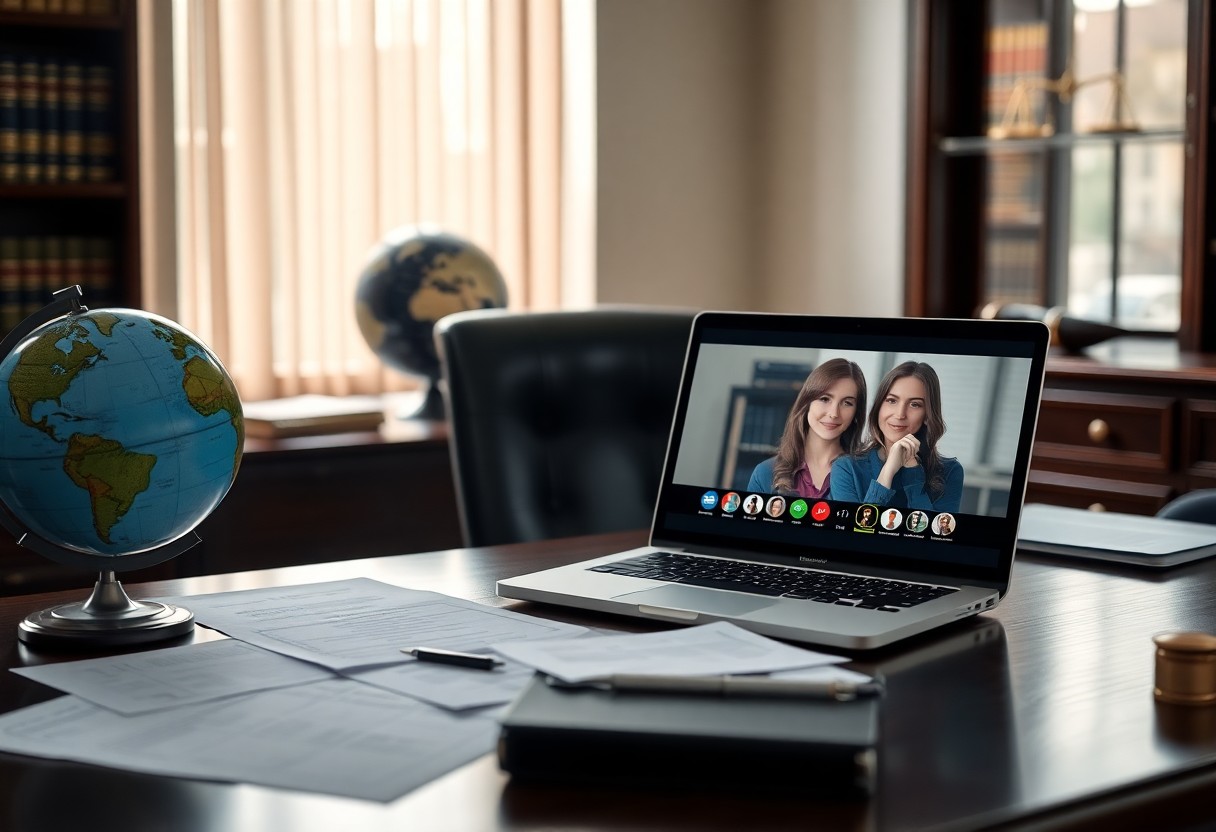
Familiarizing yourself with divorce laws is necessary when considering separation from a spouse overseas. Each jurisdiction has its own regulations governing marital dissolution, which can significantly impact your case. You’ll need to consider factors like residency requirements, the grounds for divorce, and how assets and custody matters are managed. Understanding these laws not only simplifies the process but also helps you navigate potential complications that may arise when dealing with an international aspect.
Overview of Divorce Requirements
Your state will dictate the requirements for divorce, including residency periods, grounds for filing, and documentation needed. Common grounds can range from irreconcilable differences to fault-based reasons like adultery or abandonment. Ensure you meet the specific criteria established by your jurisdiction to avoid delays in your case.
Jurisdiction Considerations
Jurisdiction plays a vital role in your divorce proceedings; you must file in the correct location. This decision involves understanding where you and your spouse have legal ties, such as residency or property ownership. If your spouse is overseas, the court may still enforce its decisions if you can demonstrate appropriate connections to that jurisdiction.
Filing in the correct jurisdiction is fundamental and can affect the entire divorce process. Typically, you must establish residency in the state where you file, which often requires you to live there for a certain period before submitting your divorce petition. If your spouse resides in a different country, be aware that some international laws may complicate jurisdiction claims, necessitating additional legal guidance. A thorough understanding of these guidelines helps ensure that your divorce proceedings are both valid and enforceable.
Filing for Divorce While Spouse is Overseas
Filing for divorce when your spouse is overseas is entirely possible, but it requires careful navigation of legal requirements and communication challenges. You should begin by determining the jurisdiction where you want to file, which is typically where you reside. Keep in mind that the process can vary significantly depending on state laws, so consulting with a legal expert familiar with international divorce can be beneficial.
Required Documentation
You’ll need to gather specific documentation to initiate the divorce. This typically includes your marriage certificate, identification, and evidence of residency. If you have children, custody agreements and financial records may also be necessary. Completing the relevant court forms accurately is necessary, as discrepancies could delay the process.
Process of Serving Divorce Papers
Serving divorce papers to a spouse overseas can be complex. You must comply with international laws, such as the Hague Convention, for proper service. Additionally, using a process server who specializes in international cases can expedite delivery and ensure that all legal protocols are followed.
When serving divorce papers internationally, it’s important to consider the method of service allowed by the foreign country where your spouse resides. This may involve utilizing a local process server or mail service approved by their government. Be aware that some countries have stricter regulations, which could prolong the process. It’s advisable to document each step taken for service, as you may need to prove that your spouse was served in accordance with legal requirements during your divorce proceedings.
Dealing with International Jurisdiction
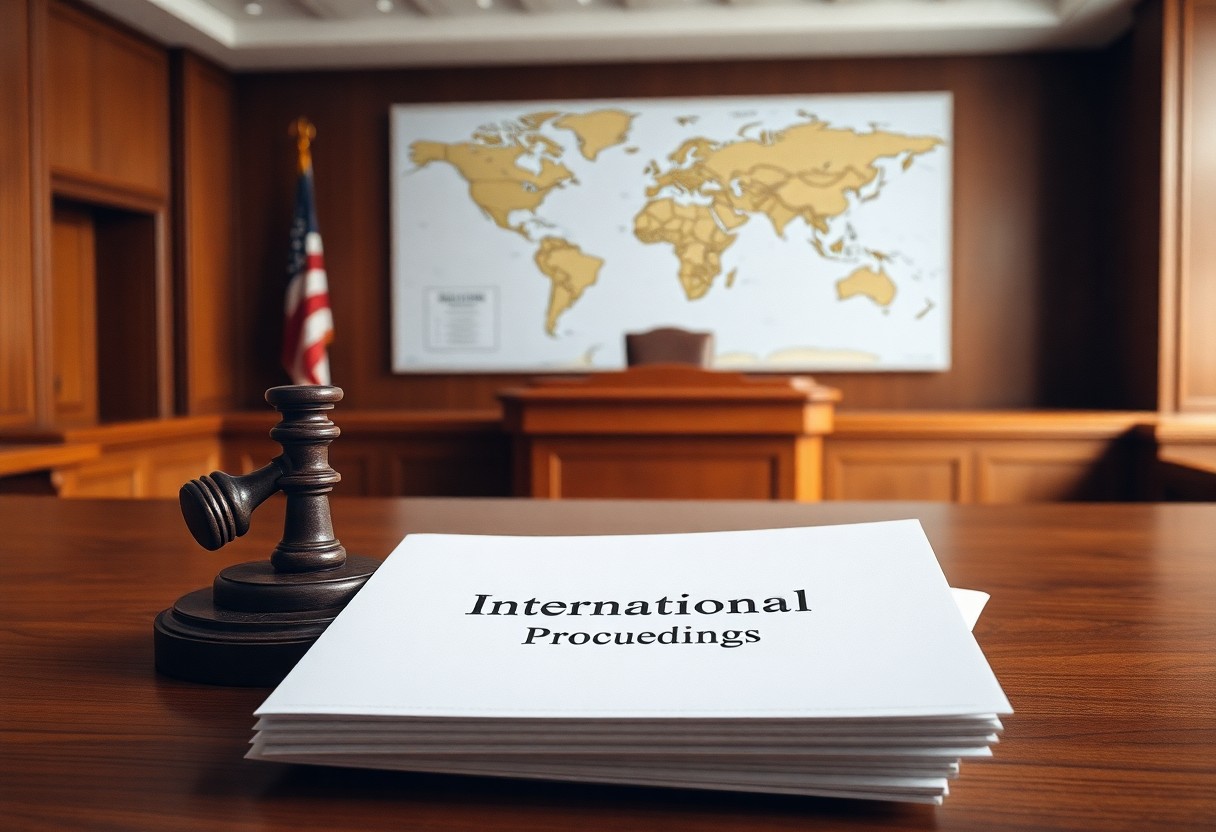
International jurisdiction poses unique challenges in divorce proceedings. If your spouse is overseas, you may be subject to laws in both your country and theirs. It’s important to determine where you can file for divorce and ensure that the court you choose has the authority to make decisions regarding your marital issues. Engaging with legal professionals familiar with both jurisdictions can significantly streamline this process and help protect your rights.
Hague Convention on International Child Abduction
The Hague Convention on International Child Abduction addresses custody disputes when one parent unlawfully removes a child to another country. If children are involved, understanding this convention becomes important to prevent possible abduction and ensure that custody decisions align with international laws. Seeking legal counsel can help you navigate this complex terrain effectively.
Navigating Multiple Legal Jurisdictions
When facing multiple legal jurisdictions, it’s imperative to comprehend that laws regarding divorce may differ significantly from one region to another. For instance, a divorce filed in the U.S. might not be recognized if your spouse files in their home country. Each jurisdiction may have specific residency requirements, grounds for divorce, and asset distribution laws that could impact your case. Establishing legal representation in both jurisdictions not only clarifies your options but also enhances your chances of a favorable outcome.
Challenges of Long-Distance Divorce
Managing a divorce while one spouse is overseas presents unique challenges that can complicate the process. Issues such as legal jurisdiction, communication barriers, and time zone differences can make it difficult to reach agreements, exchange documents, and maintain a clear understanding of each party’s rights and responsibilities. Taking proactive steps to address these hurdles can significantly ease the experience.
Communication Issues
Effective communication is vital during any divorce, and long-distance scenarios can heighten misunderstandings. With your spouse on a different continent, relying solely on emails or messages can lead to misinterpretations. Scheduled video calls may help, but varying availability can create frustration. Prioritizing clarity and setting regular check-ins enhances mutual understanding, making the negotiation process smoother.
Time Zone Considerations
Different time zones can delay communications and decision-making in a divorce. If you’re in the U.S. and your spouse is in Europe, a simple phone call may need to be planned around a five- to eight-hour difference. You should account for this discrepancy when scheduling discussions or deadlines for document submissions to ensure both parties can participate effectively. Utilizing tools like global clocks can help manage this aspect more efficiently.
Financial Implications
Financial implications during a long-distance divorce can be significant, as you need to navigate asset division and support obligations across jurisdictions. Both parties may face additional expenses, including legal fees for international representation, which can drain financial resources quickly. Proper planning and clear communication are imperative to minimize confusion and ensure a fair settlement.
Division of Assets
When dividing assets in a long-distance divorce, the location of your spouse can complicate matters. Typically, assets acquired during the marriage are subject to division, regardless of where the spouse is located. Depending on the jurisdiction, you may need to provide documentation of your assets, which can be challenging when coordinating across time zones and legal systems.
Alimony and Support Obligations
Alimony and support obligations also warrant attention in a divorce where one spouse is overseas. Courts consider several factors, including the length of the marriage and each spouse’s financial situation, to determine support terms. As circumstances evolve, particularly with international relocations, the ability to enforce or modify support agreements may also become complex.
For instance, if you are awarded alimony, it is crucial to ensure the terms are enforceable in your spouse’s country of residence. Various countries have different laws regarding recognition and enforcement of foreign support orders, which may impact your ability to receive timely payments. Staying informed about international treaties, like the Hague Convention, could assist in navigating these challenges effectively, potentially securing the financial support you need post-divorce.

Seeking Legal Assistance
Securing appropriate legal support is important when navigating the complexities of a divorce involving an overseas spouse. Engaging an attorney with experience in international divorce law can help you understand the implications of cross-border issues and provide guidance tailored to your situation, ensuring you make informed decisions throughout the process.
Finding an Attorney Experienced in International Cases
To handle your divorce effectively, seek an attorney who specializes in international family law and has a proven track record in cases similar to yours. They’ll be familiar with the nuances of jurisdictional issues and the intricacies of international treaties, giving you a better chance of achieving a favorable outcome.
Resources Available for Assistance
Numerous resources can assist you during this challenging process. Legal aid organizations, bar associations, and online directories can help you connect with professionals experienced in international cases. Utilizing these resources effectively can streamline your search for qualified representation that understands your unique circumstances.
For additional support, consider tapping into online legal platforms and forums that focus on international divorce issues. Websites like Avvo or FindLaw not only provide listings of specialized attorneys but also offer articles and community discussions around similar situations. Networking with others who have experienced long-distance divorces can provide insights and recommendations vital for your decision-making process.
Conclusion
From above, it’s clear that you can pursue a divorce while your spouse is overseas, but various legal considerations will affect the process. You need to ensure that you comply with jurisdictional requirements and serve your spouse properly, even if they are not physically present. Consulting with a legal professional who specializes in international divorce can help navigate the complexities of your situation and ensure that your rights are protected throughout the proceedings.
FAQ
Q: Can I file for divorce if my spouse is living in another country?
A: Yes, you can file for divorce even if your spouse is overseas. However, the jurisdiction where you file will determine the process and whether the divorce will be recognized internationally.
Q: What should I consider regarding jurisdiction for my divorce?
A: Jurisdiction refers to the authority of a court to hear your divorce case. You typically must file in the state or country where you reside, but different rules may apply if your spouse is abroad. Consulting a legal expert is advisable.
Q: Is it necessary to serve divorce papers to an overseas spouse?
A: Yes, serving divorce papers is important regardless of your spouse’s location. Proper service is required to ensure the divorce is legally valid. There are international laws regarding service that need to be followed.
Q: What if I cannot locate my spouse to serve them divorce papers?
A: If you cannot find your spouse, you may be able to pursue a divorce by publication or filing for a default divorce, depending on the laws in your jurisdiction. Legal guidance can help determine your options.
Q: How will overseas residency affect division of assets?
A: Division of assets can be complicated if your spouse resides overseas. Courts typically divide marital property based on the laws of the jurisdiction where the divorce is filed, which may not apply universally across countries.
Q: Can I enforce child support or custody orders with an overseas spouse?
A: Enforcing child support or custody orders across borders can be challenging. International agreements, such as The Hague Convention, facilitate communication and enforcement of such matters, but processes vary by country.
Q: Should I hire an attorney experienced in international divorce?
A: Hiring an attorney with experience in international divorce is advisable, as they can navigate the complexities involved, including jurisdiction, asset division, and international laws, to ensure your interests are protected.
