
It’s crucial to understand the step-by-step Syariah divorce process in Selangor to navigate your separation effectively. This guide will walk you through the necessary stages, from initiating the divorce to obtaining the final decree, ensuring you are well-equipped for each phase. Engaging with the process requires awareness of both your rights and responsibilities, allowing you to make informed decisions during this emotional period. By following these steps, you can aim for a smoother transition to your new chapter while staying compliant with Syariah law.
Key Takeaways:
- The Syariah divorce process in Selangor begins with the filing of a divorce application at the Syariah Court.
- Applicants should prepare necessary documents, including marriage certificates and identification before initiating the process.
- The court will hold a mediation session to encourage reconciliation before proceeding with divorce hearings.
- If reconciliation fails, divorce hearings will be scheduled where both parties can present their cases.
- After assessing the case, the Syariah Court will issue a final judgment on the divorce, including matters related to custody and property division.
- It is advisable to seek legal counsel to navigate the complexities of the Syariah divorce process effectively.
- Understanding the local laws and procedures is important for ensuring a smooth and informed divorce experience.
The Legal Framework Governing Syariah Divorce in Selangor
The intricacies of syariah divorce in Selangor are shaped by a framework that melds Islamic principles with state laws. This framework governs the processes, rights, and obligations of both parties involved, ensuring their respective interests are safeguarded in accordance with Islamic teachings while adhering to local legislation.
Key Laws and Regulations
The primary legislation guiding syariah divorce in Selangor includes the Islamic Family Law (Selangor) Enactment 2003, which outlines the procedures for filing for divorce, rights to maintenance, and custody matters. Additional laws may also reference the Federal Constitution to authenticate the enforcement of Islamic family laws.
Jurisdiction and the Role of Syariah Courts
Syariah courts hold exclusive jurisdiction over matters of marriage and divorce for Muslims in Selangor. These courts address disputes and facilitate divorce proceedings according to Islamic law, ensuring that all actions taken are within the legal framework
.
Syariah courts in Selangor serve as the primary judicial bodies for resolving marital disputes, where you as a petitioner must file your case. Situated within the wider judicial system, these courts ensure that your rights are upheld while adhering to Islamic principles. The judges, knowledgeable in Islamic jurisprudence, apply the relevant laws to adjudicate cases involving divorce, custody, and maintenance. For your proceedings, you will present your case, and the court will make a ruling based on the evidence and testimonies provided, all while ensuring a fair and just approach in line with Islamic tenets.
Initiating the Divorce Process
To start the divorce process under Syariah law in Selangor, you must file a petition with the relevant Syariah Court. This involves seeking a formal declaration of intention to dissolve the marriage, which typically includes discussing your circumstances with a Syariah counselor before submitting the application. Engaging amicably in this stage can help mitigate conflicts and create a clearer path forward for all parties involved.
Grounds for Divorce Under Syariah Law
In Syariah law, valid grounds for divorce include factors such as infidelity, domestic abuse, abandonment, and irreconcilable differences. These grounds must be substantiated with clear evidence to support your claim, which the court will evaluate during the proceedings.
Required Documentation and Petition Filing
Your divorce petition in Selangor requires specific documentation, including a marriage certificate, identification documents, and any relevant evidence supporting your grounds for divorce. You may also need to submit proof of attempts at reconciliation, if applicable.
Filing your petition involves completing the necessary forms and paying the applicable fees at the Syariah Court. Documents such as your marriage certificate must be original copies and translated into Malay or Arabic if in another language. You will also need to provide evidence of your claims, which could include witnesses’ statements or police reports in cases of domestic abuse. This organized approach helps establish your case and ensures all required conditionals are met for a smoother judicial process.
Navigating Court Proceedings
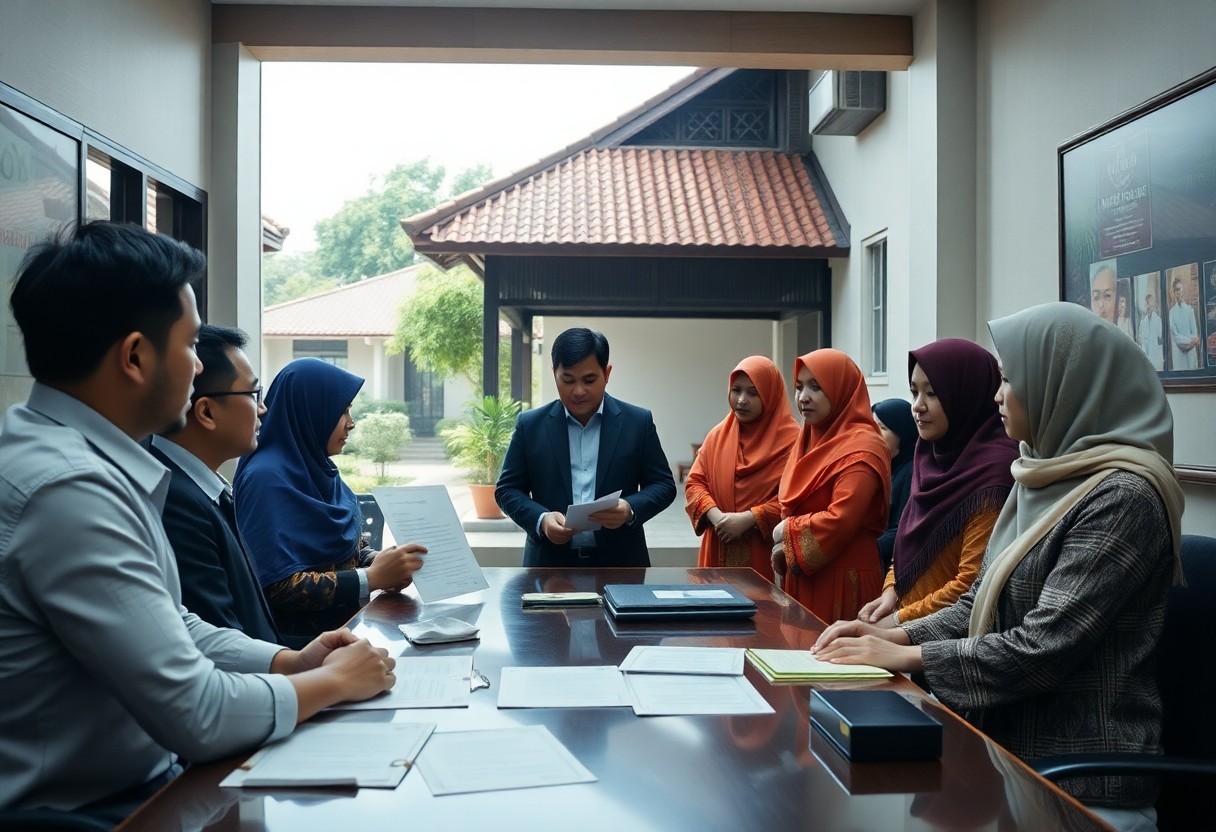
Navigating the court proceedings in a Syariah divorce can be daunting, but understanding the process eases uncertainty. Typically, after your petition is filed, the court will notify the other party, allowing them to respond. The court can then schedule hearings where both parties can present evidence and arguments. Throughout these proceedings, adherence to court rules and respectful conduct are crucial to facilitate a smoother process.
The Role of Mediators in Syariah Divorce
Mediators play a significant role in Syariah divorce by fostering communication between you and your spouse. They help outline issues, explore possible settlements, and encourage amicable resolutions that can minimize conflict. This impartial support streamlines the negotiation process, often leading to mutually beneficial agreements without prolonged court battles.
Understanding the Court Hearing Process
The court hearing process involves several key steps, beginning with the initial hearing, where both parties present their cases. Following this, the judge may request additional information or evidence before making a determination on issues such as custody, financial settlements, or the terms of the divorce itself. Typically, hearings are held privately to maintain confidentiality, and you may have the opportunity to appeal the court’s decision if you’re dissatisfied with the outcome.
Engaging in the court hearing process requires preparation; you should gather relevant documents, such as marriage certificates and evidence of shared assets. The judge will evaluate your situation based on Islamic principles and local laws, impacting decisions regarding maintenance, child custody, and division of assets. Each hearing lasts about an hour, but multiple sessions may occur, making it imperative to efficiently communicate your position during each appearance.
The Financial Implications of Divorce Decisions
Every decision you make during the divorce process carries significant financial consequences that could affect your future. From the division of assets to ongoing obligations like child maintenance, understanding the financial landscape is necessary. Engaging legal counsel can help navigate these issues, ensuring that you are well-informed and protected as you move forward.
Division of Assets and Liabilities
In a Syariah divorce, assets and liabilities must be divided fairly, considering various factors such as the contributions of each spouse and the length of the marriage. Often, shared assets, including property and savings, will be assessed, while individual debts may need to be accounted for. If a particular asset was acquired during the marriage, you may be entitled to a share, even if it’s registered under your spouse’s name.
Child Maintenance and Support Obligations
Child maintenance is a primary concern after divorce, aiming to ensure that the child’s needs are met. As a parent, you are financially responsible for your children’s upbringing, which continues even after separation. The amount can vary significantly, typically determined by the court based on the child’s needs, parental income, and living costs.
In Syariah divorce cases, the amount for child maintenance is usually assessed according to Islamic principles and guidelines. For example, factors like the child’s age, education needs, and health considerations are taken into account. It’s necessary to actively negotiate this amount, preventing potential disputes in the future. Keep in mind, the court will often review these obligations periodically, allowing for adjustments if your financial circumstances change.

Post-Divorce Considerations and Legal Obligations
Following the finalization of your divorce, several post-divorce obligations must be addressed to ensure compliance with the law and protect your interests. Issues such as spousal support, property division, and arrangements for children typically require careful navigation. It’s advisable to consult with legal experts to understand the implications of your divorce decree fully and to make informed decisions moving forward.
Finalizing Divorce Declarations and Certificates
After your Syariah divorce is granted, obtaining the Divorce Certificate is crucial. This document serves as the official record of your marital dissolution and is required for various legal and personal matters, including remarrying. Ensure that you request multiple certified copies, as you may need them for administrative purposes and future legal transactions.
Addressing Custody and Parenting Plans
Custody arrangements following a divorce can be sensitive and complex. You are encouraged to draft a comprehensive parenting plan that outlines the responsibilities of each parent, visitation schedules, and financial obligations regarding your children. This plan aims to minimize conflicts and ensure the well-being of your children.
Effective custody arrangements hinge on clear communication and consideration for your children’s best interests. Factors such as proximity to schools, each parent’s work schedules, and the children’s preferences may influence the custody decision. Engaging in mediation can facilitate constructive discussions and help you reach an agreement that prioritizes your children’s emotional stability and needs, ensuring that both parents remain actively involved in their upbringing.
Final Words
Drawing together the key elements of the step-by-step Syariah divorce process in Selangor, it is important for you to familiarize yourself with the specific requirements and procedures involved. From initiating the application to understanding the potential outcomes, being informed empowers you to navigate this challenging transition more effectively. Ensuring that you follow the legal framework while seeking guidance from professionals will help you achieve a smoother and more equitable resolution. Ultimately, this approach leads you to a clearer path towards your future.
FAQ
Q: What is the first step in the Syariah divorce process in Selangor?
A: The first step in the Syariah divorce process is to file a divorce petition, known as “permohonan cerai,” at the Syariah Court. This petition must outline the reasons for the divorce and any relevant details regarding the marriage. It is advisable to seek legal guidance to ensure that the petition is accurately completed and submitted.
Q: How can I prepare for the Syariah Court hearing?
A: To prepare for the Syariah Court hearing, gather all necessary documents such as the marriage certificate, identification documents, and any evidence supporting your case. It may also be helpful to have a lawyer or a representative to assist you through the process. Be ready to present your reason for the divorce and any claims related to maintenance or child custody.
Q: Is mediation required before proceeding to court?
A: Yes, mediation is generally a mandatory step in the Syariah divorce process. Before the case is heard in court, both parties will typically be required to attend mediation sessions to attempt reconciliation and settle matters amicably. If mediation fails, the divorce case can then proceed to court.
Q: What happens if both parties do not agree on the divorce?
A: If one party contests the divorce, the Syariah Court may schedule multiple hearings to assess the situation. The court takes the views of both parties into consideration and may offer reconciliation options. If no agreement is reached, the court will ultimately make a decision based on the evidence presented.
Q: How is child custody determined in Syariah divorce cases?
A: Child custody in Syariah divorce cases is decided based on the best interests of the child. The court will evaluate various factors, including the child’s age, living conditions, and the ability of each parent to provide care. The preference may also lean toward custody being granted to the mother for young children, but each case is considered individually.
Q: How long does the entire Syariah divorce process take?
A: The duration of the Syariah divorce process can vary significantly based on several factors, including the complexity of the case, the court’s schedule, and whether mediation is successful. Typically, the process may take anywhere from a few months to over a year. Both parties should be prepared for potential delays.
Q: What are the financial implications of a Syariah divorce?
A: The financial implications of a Syariah divorce can include matters related to the division of assets, maintenance payments, and child support. The Syariah Court will consider each party’s financial situation when making decisions. It is advisable to seek financial counseling and legal assistance to understand and navigate these obligations fully.
