
Over the course of a divorce, navigating the division of car and home ownership can significantly impact your financial future. You may find yourself questioning who keeps the house or what happens to shared vehicles, which can lead to complicated and emotionally charged decisions. It’s important to understand your rights and options, as property division laws vary by state, and failure to address these issues can lead to ongoing disputes. By being informed, you can take the necessary steps to protect your interests during this challenging time.

Key Takeaways:
- Division of assets: Car and home ownership is typically addressed as part of the overall division of marital assets during divorce proceedings.
- State laws matter: The way ownership is resolved can vary significantly depending on whether you live in a community property state or an equitable distribution state.
- Debt considerations: Both vehicles and homes may have associated debts, such as mortgages or loans, which will also need to be addressed in the division process.
- Negotiation potential: Couples may negotiate the terms of ownership and responsibilities for payments, leading to agreements that work for both parties.
- Legal documentation: It’s important to formalize any agreements in the divorce decree to ensure ownership transfers and financial liabilities are legally recognized.
- Impact on credit: Changes in ownership and related debt responsibilities can affect both parties’ credit scores, requiring careful management after the divorce.
- Future planning: Consider long-term implications of ownership decisions, including financial stability and the potential for future housing needs or vehicle purchases.
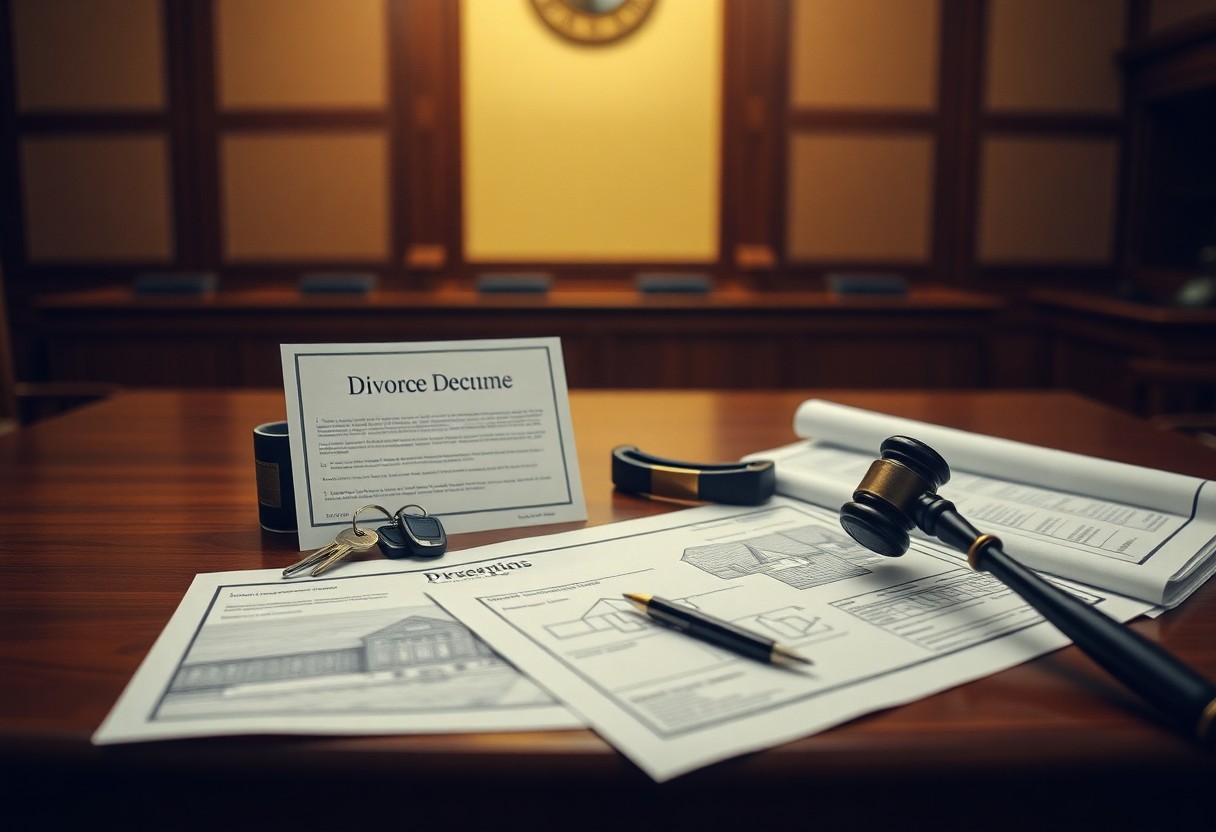
The Legal Landscape of Property Division
The legal framework governing property division in a divorce varies significantly from state to state, as each jurisdiction has its own guidelines and rules regarding asset distribution. Most states operate under either equitable distribution or community property principles, shaping how your car and home are handled. Understanding the nuances of these laws will be important in determining what you can expect in terms of property division.
Understanding Marital vs. Separate Property
Defining the distinction between marital and separate property plays a pivotal role in asset division. Marital property typically includes anything acquired during the marriage, such as your home or car, while separate property consists of assets owned before the marriage or received as a gift or inheritance. Understanding this differentiation can significantly impact your claims post-divorce.
Key Considerations in State Laws
Each state has distinct laws that influence how property is divided. Some states follow a community property model, where assets acquired during the marriage are split 50/50, regardless of who purchased them, while others utilize equitable distribution, allowing for a more subjective approach based on contributions and financial circumstances.
In community property states, which include California and Texas, any assets—including homes and vehicles—obtained during the marriage are considered joint property and typically split equally upon divorce. Meanwhile, if you reside in an equitable distribution state like New York or Florida, judges consider various factors, such as the length of the marriage, the income of each spouse, and contributions made to the household. This means that even if you solely purchased a car during the marriage, the court may decide your spouse deserves a larger proportion of the marital estate due to other financial contributions. Understanding these laws can inform your strategy during negotiations and influence your expectations moving forward.
Navigating the Emotional Terrain of Assets
Divorce often brings a whirlwind of emotions, complicating the already intricate process of asset division. You may feel a mix of anger, sadness, and anxiety, which can cloud your judgment regarding ownership of shared property. This emotional turmoil might lead you to cling to certain assets or hastily let go of others, impacting both your financial future and your mental wellbeing. Understanding this emotional landscape is vital for making informed decisions about your car and home, helping to create a sense of stability amidst the chaos.
The Psychological Impact on Ownership Decisions
Your relationship with your assets can deeply influence how you approach ownership decisions post-divorce. Feelings of attachment to a family home or a shared vehicle may create resistance in negotiating fairly during the division process. This emotional tie can distort your ability to evaluate what’s actually best for your future, often leading to conflict and regret. Recognizing these feelings allows you to detach and make more rational choices about your assets.
Reassessing Personal Values and Priorities
Divorce may serve as a pivotal moment for you to reassess what truly matters in your life. This reflection can result in significant shifts in your priorities, influencing your decisions regarding asset ownership. As you move forward, you might find that certain possessions – previously deemed crucial – hold less value in light of your new journey.
The process of reassessing your personal values doesn’t just involve a practical evaluation of what you need, but also a deeper introspection into how those items align with your future aspirations. For instance, the family home may have symbolized stability during your marriage, but now may feel like a burden that stifles your growth. By focusing on what truly enhances your sense of fulfillment, you can let go of possessions that no longer serve your purpose and embrace opportunities that encourage a positive new chapter in your life. Emphasizing personal growth over material attachment will ultimately lead you to make choices aligned with your fresh outlook and goals.
Strategies for Fair Asset Distribution
Achieving a fair asset distribution during divorce requires deliberate strategies and thoughtful negotiations. You’ll need to assess the full scope of your shared assets, which includes not only physical property like cars and homes, but also financial accounts, investments, and other valuables. Open communication and understanding each other’s priorities can lead to more amicable solutions, ensuring that both parties feel respected and valued during this challenging process.
Collaborative Approaches to Negotiating Ownership
Engaging in collaborative approaches can significantly improve the negotiation process regarding asset ownership. By discussing each party’s needs and concerns openly, you can identify areas of mutual interest and avoid adversarial stances. This approach encourages compromise and allows both you and your ex-partner to feel more in control of the outcome, rather than leaving the decision in the hands of a judge.
Leveraging Mediation and Other Conflict Resolution Tools
Mediation serves as a powerful tool in the asset distribution process. A third-party mediator can facilitate discussions, helping you navigate contentious topics surrounding ownership without escalating tensions. This neutral ground allows you to voice your opinions while fostering cooperative dialogue. Various conflict resolution tools—not just mediation—might be employed to address complexities, tailoring the solutions to better suit your unique situation.
Utilizing mediation can change the dynamic of negotiations, allowing for an environment where both parties feel safe to express their viewpoints. Many couples achieve more favorable outcomes, as mediators help pinpoint common goals and propose creative solutions that may not have been considered. In some cases, this can lead to alternatives like shared ownership of certain assets or deferred payments, ensuring a greater sense of fairness and equitability in the final agreement.

The Financial Implications Post-Divorce
Post-divorce, your financial landscape will likely shift dramatically, affecting both your direct financial responsibilities and asset ownership. Adjustments in income, debt obligations, and potential alimony can complicate your ability to manage ongoing expenses related to your home and car. Understanding these changes will help you navigate your new financial reality more confidently.
Valuation of Cars and Homes: What You Need to Know
The valuation of cars and homes following a divorce hinges on several factors, including market conditions and the condition of the assets. You may need to rely on appraisals and other financial documents to determine the fair market value, which will assist in the equitable distribution of property. For cars, consult resources like Kelley Blue Book for estimated values, while comparable sales can guide you for homes.
Planning for Future Expenses and Ownership Responsibilities
Once ownership arrangements are settled, specifically planning for future expenses becomes critical. Whether you retain your home, take on a vehicle, or share ownership, ongoing costs like insurance, maintenance, and taxes can strain your budget. You’ll need to calculate how your post-divorce income aligns with these expenses to make sound financial decisions going forward.
Taking control of your financial future means proactively addressing the responsibilities tied to ownership. Create a budget reflecting the new reality, including housing costs, insurance premiums, and maintenance fees. For instance, if you keep the family home, factor in potential repairs and increased utility bills. Establish a separate savings account dedicated to these expenses, which will cushion the impact of unexpected costs. Maintaining clear, open communication with any co-owners can further help manage shared responsibilities efficiently.
The Long-Term Effects of Division on Life After Divorce
The aftermath of a divorce extends far beyond the immediate separation of assets like homes and vehicles. Long-term effects often include significant adjustments in your lifestyle, financial priorities, and even emotional well-being. Navigating these changes can lead to both challenges and opportunities for personal growth as you redefine your life in the wake of a major transition.
Adjusting to New Realities: Housing and Transportation
Post-divorce, your housing and transportation needs often shift drastically. You might find yourself downsizing or relocating to an area that better suits your new budget. Rethinking your commute or the types of vehicles you own can also become vital. Adjusting to these new realities can take time and may require you to become more resourceful as you find affordable alternatives and explore different living arrangements.
Refocusing on Stability and Future Investments
Finding balance in your new life involves prioritizing stability and making thoughtful investments for your future. This could mean rebuilding your credit score to secure a home loan or exploring new job opportunities that offer better financial prospects. Implementing a revised budget that puts a premium on savings will help mitigate any financial anxiety and prepare you for unexpected expenses or investments in your personal growth.
Establishing a solid foundation after divorce necessitates financial foresight and emotional resilience. For instance, building an emergency fund can provide vital security as you navigate your new circumstances. Investing time in personal development, such as gaining new skills or pursuing further education, can elevate your earning potential while enhancing your fulfillment. Each small step in financial prudence and personal growth contributes to a more stable and rewarding future, paving the way for a life that aligns more closely with your goals and aspirations.
Conclusion
Now that you understand the complexities of car and home ownership after divorce, it’s crucial to act with clarity and foresight. You may need to navigate negotiations, settlements, and even legal proceedings regarding property division. Evaluate your options carefully, considering your financial situation and long-term goals. It can be beneficial to seek professional advice to ensure your interests are protected and that your transition into post-divorce life is as smooth as possible.
FAQ
Q: What typically happens to the family home during a divorce?
A: During a divorce, the family home can be subject to various outcomes. Couples may agree to sell the property and split the proceeds, one spouse may buy out the other’s share, or one spouse may retain ownership, especially if they have custody of the children. The marital home will be evaluated to determine its value, and negotiations will consider the financial circumstances of both parties.
Q: How is car ownership handled in a divorce?
A: Car ownership can vary depending on how the vehicle was acquired. If the car was purchased jointly, it is often treated as marital property and may be sold or one spouse may buy out the other’s interest. If a vehicle is solely in one spouse’s name, that spouse typically retains ownership, but it must be assessed within the overall asset division.
Q: What factors influence the division of property like homes and cars?
A: Several factors influence property division, including the duration of the marriage, the financial contributions of each spouse, future earning potential, and the needs of children if applicable. Courts generally aim for a fair distribution, which may not always mean equal but strives to be equitable based on the circumstances.
Q: Can debt associated with a car or home impact ownership decisions?
A: Yes, any outstanding debt related to a car or home, such as a mortgage or auto loan, can impact ownership decisions. Courts will consider each spouse’s liability and ability to manage these debts when determining property division. It is important for both parties to understand which debts they may be responsible for after the divorce.
Q: What if one spouse wants to keep the house, but the other does not?
A: If one spouse wishes to keep the house and the other does not, a buyout arrangement can be negotiated where the interested party pays the other spouse their share based on the home’s value. If they cannot agree, the house may need to be sold, and the proceeds divided according to the terms of the divorce settlement.
Q: Are there differences in how states handle property division?
A: Yes, property division can differ significantly by state. Some states follow community property laws, where marital property is split 50/50, while others use equitable distribution, where the court decides what is fair based on various factors. Understanding the laws in your jurisdiction is crucial for navigating your divorce.
Q: How can mediation help with the division of property?
A: Mediation can provide a collaborative environment for both spouses to reach agreements regarding property division, including homes and vehicles. A neutral third party facilitates discussions, helping couples explore options and find mutually acceptable solutions, which can often lead to less conflict and quicker resolutions than litigation.
