
Divorce fundamentally alters your financial landscape, impacting car and home ownership significantly. You may face the difficult task of determining who retains possession of the family home and how to fairly divide vehicles. Understanding your legal rights and the equity of shared assets is imperative, as it can affect your financial future. With informed decisions, you can navigate these challenges effectively, ensuring a more stable transition post-divorce.

Key Takeaways:
- Divorce often leads to the need for the sale or distribution of jointly owned property, including cars and homes.
- State laws vary regarding the division of assets, impacting ownership outcomes post-divorce.
- Emotional attachment to properties can complicate decisions about retaining or selling assets.
- Financial implications of retaining ownership, such as maintenance costs and mortgages, must be considered.
- Legal agreements, such as prenuptial agreements, can dictate asset distribution during a divorce.
- Equity in the home may be divided, influencing the ability for one partner to buy out the other’s interest.
- Consulting with legal and financial advisors can provide clarity on ownership rights and responsibilities post-divorce.
Understanding Ownership in Divorce
In a divorce, determining ownership involves addressing how assets, particularly your car and home, are assigned. This process not only encompasses legal definitions but also personal agreements and emotional factors that can complicate your situation. The outcome hinges on the legal framework governing property division in your state and the classification of your assets as either community or separate property.
Legal Framework of Property Division
Your state’s laws significantly influence property division during a divorce. Many states employ a system of equitable distribution, meaning the court will fairly, though not necessarily equally, divide your property. Other states follow community property laws, where assets acquired during the marriage are owned equally by both partners. Understanding these frameworks is important to navigate the complexities of asset distribution and secure your rights.
Types of Ownership: Community vs. Separate
Ownership classification shapes the distribution of assets post-divorce. Community property includes assets acquired during marriage, shared equally, whereas separate property refers to those owned before marriage or received as gifts or inheritances. Decisions concerning property may hinge on local laws and the nature of your assets, affecting how cars or homes are handled in divorce proceedings.
| Key Terms | Definitions |
| Community Property | Assets acquired during the marriage shared equally. |
| Separate Property | Assets owned before the marriage or inherited. |
| Equitable Distribution | Fair division of property based on various factors. |
| Asset Valuation | Determining the value of property for division. |
Understanding whether your assets are classified as community or separate can significantly influence the outcome of the divorce process. If property is deemed community, it is generally subjected to division, while separate assets stay with the original owner. Jurisdictions differ in treatment, with some states recognizing the contributions both spouses make to the marriage, which can factor into asset valuation as well. After evaluating these aspects, aim for an informed approach to negotiations.
- Community Property entails equal sharing of assets acquired during marriage.
- Separate Property remains with the original owner following divorce.
- Equitable Distribution addresses fair division, not necessarily equal.
- Asset Valuation is key for determining division outcomes.
- After clarifying your property status, align your strategies accordingly.
| Key Factors | Implications |
| State Laws | Influence how assets are divided in divorce. |
| Length of Marriage | Can impact asset distribution fairness. |
| Contributions to Marriage | May affect judgment in asset division. |
| Debt Considerations | Liabilities can be factored into the division. |
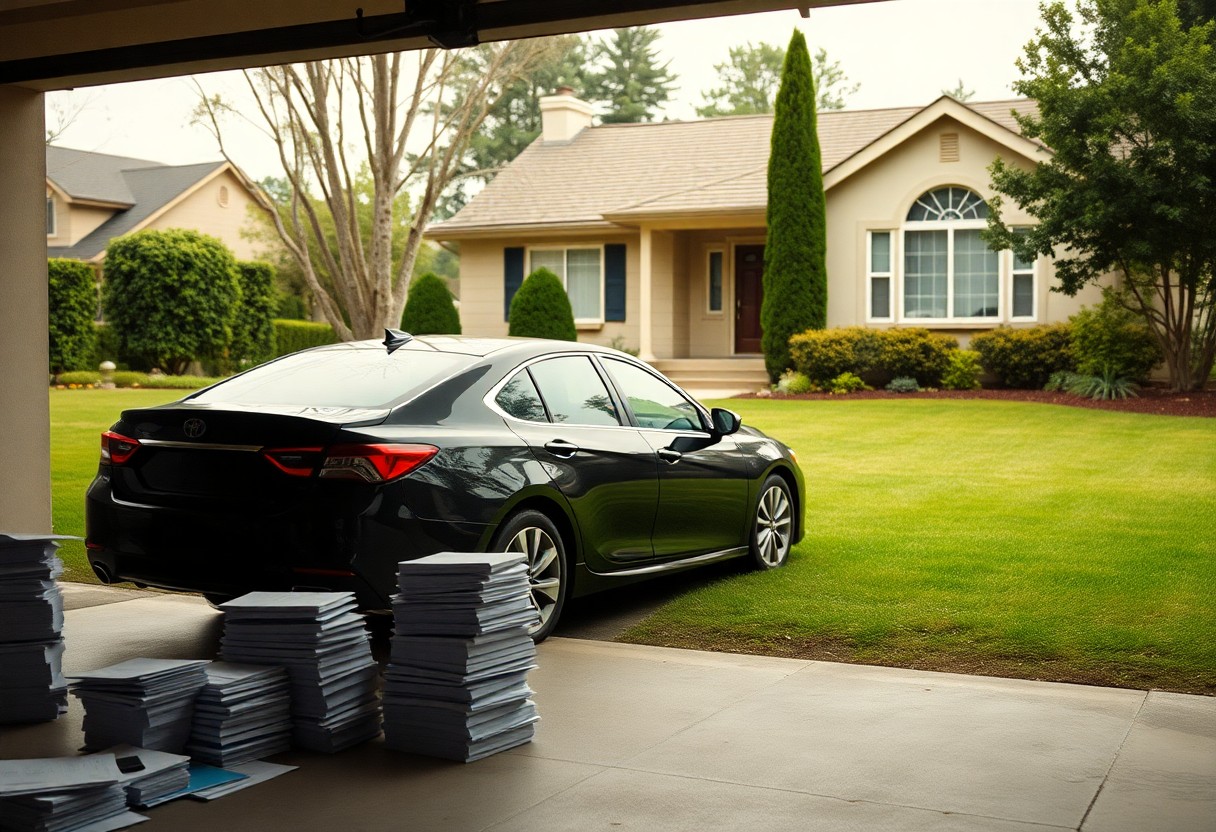
Car Ownership After Divorce
When navigating car ownership post-divorce, it’s important to evaluate your existing assets carefully. You must consider the vehicle’s title, registration details, and any financial liens that may be attached. Depending on your state laws and the specifics of your divorce agreement, car ownership can be straightforward, or it can involve complex negotiations and legal documentation. Understanding your rights is vital to ensure you secure a fair outcome.
Determining Ownership Rights
To determine your ownership rights, examine the vehicle’s title and any pertinent financial documentation. If the car is in your name or was purchased with your individual funds, you may hold the primary ownership. However, vehicles acquired during the marriage typically fall under marital property, requiring equitable division regardless of titling. Engage in open discussions with your spouse to clarify ownership positions and reach a mutual agreement.
How to Divide Vehicle Assets
Dividing vehicle assets can hinge on factors like the car’s value, ownership rights, and any existing loans. If both parties are on the title, consider whether one person will retain full ownership or if the vehicle will be sold with proceeds divided. In some cases, you may agree to offset the value of the car against other marital assets, ensuring both parties receive a balanced share. Consulting a financial advisor can be beneficial for making informed decisions about the car’s future.
Home Ownership After Divorce
Determining what happens to the marital home during divorce can be a complex issue that affects your long-term financial situation. You may need to decide whether to sell the home, let one spouse retain ownership, or explore alternatives. Factors like the home’s equity, mortgage obligations, and emotional ties play significant roles in this decision-making process.
Selling the Marital Home
Selling the marital home is often a straightforward solution, allowing both parties to split the equity gained during the marriage. This process involves hiring a real estate agent, pricing the home appropriately, and managing showings and negotiations. Once sold, proceeds can be divided, but ensure debts tied to the property are settled first.
Retaining Ownership: Buyouts and Transfers
If you choose to keep the marital home, you may need to engage in a buyout or transfer of ownership to your ex-spouse. This involves determining the home’s current market value and negotiating a fair compensation for the other party. Financial arrangements can include cash payments, refinancing the mortgage, or adjusting the division of other assets.
In a buyout situation, you will first need a professional appraisal to establish the home’s value. If, for example, the home is valued at $300,000 and you owe $200,000 on the mortgage, you must assess how much equity your ex-spouse is entitled to. If you are buying out your ex’s share, a payment of $50,000 may be necessary. Alternatively, if retaining ownership without immediate cash is preferred, consider structuring your asset division and securing your ex-spouse’s agreement through a legal contract, ensuring that all financial obligations are met, such as maintaining mortgage payments, to avoid post-divorce disputes.
Financial Implications of Asset Division
The division of assets during a divorce directly influences your financial health and long-term stability. You will likely need to assess the value of your home, vehicles, and any other joint assets, factoring in debts associated with these items. Upon division, you might receive cash settlements or retained properties that can impact your financial portfolio significantly. Understanding these implications will help you navigate your financial future post-divorce.
Impact on Credit Scores
Your credit score can be significantly affected during a divorce, especially if joint debts remain unresolved. If one spouse defaults on shared loans or mortgages, the other may also see a negative impact on their credit score. It’s important to separate your financial responsibilities clearly and manage any joint accounts responsibly to protect your credit during the transition.
Future Financial Planning
Post-divorce financial planning is vital to ensure your fiscal health moving forward. With the realignment of assets, you should evaluate your budget, set new financial goals, and reassess your investment strategy. Consider working with a financial advisor to navigate this transitional period effectively.
Creating a future financial plan involves setting realistic budgets based on your new income structure and lifestyle. You may need to reevaluate your retirement savings and establish new accounts if you previously shared finances with your spouse. Begin prioritizing emergency funds and debt repayment, ensuring important expenses are met while simultaneously working towards long-term goals. Adopting a proactive approach helps you regain control over your finances, ultimately leading to a more stable economic future.

Legal Considerations and Documentation
The complexities of divorce extend beyond emotional turmoil; legal considerations play a significant role in asset division. Proper documentation, including prenuptial agreements, property deeds, and financial statements, becomes vital. Without accurate and complete records, you risk unfavorable decisions that can impact your financial future. Courts rely heavily on documentation to assess ownership and assign value, making it imperative to gather and organize all necessary paperwork.
Importance of Legal Agreements
Legal agreements help outline ownership rights and obligations, providing clarity during asset division. Establishing a well-drafted prenuptial or postnuptial agreement can protect your interests and ensure a fair outcome. These agreements guide decision-making in the absence of mutual consent and can help you avoid lengthy legal disputes.
Navigating the Divorce Process
Being informed about the divorce process can significantly impact how car and home ownership is settled. Start by consulting with a skilled attorney to understand your rights and obligations. Each state has its own laws that govern asset division, so you should establish whether your jurisdiction follows community property or equitable distribution principles. Gathering financial documents, appraisals for property, and any agreements made during marriage will streamline negotiations. Healthy communication with your ex-spouse can also facilitate a smoother resolution, potentially leading to amicable settlements without prolonged court battles.
Resources and Support for Transition
Navigating the complexities of divorce can be daunting, but various resources exist to support you through this transition. Accessing counseling, mediation, and financial guidance can provide assistance in managing emotional and practical challenges, enabling you to focus on rebuilding your life post-divorce.
Counseling and Mediation Services
Counseling and mediation services offer vital support during divorce, helping you process emotions and communicate effectively with your ex-partner. These professionals can facilitate discussions around asset division, custody arrangements, and co-parenting, ensuring a more amicable separation and reducing long-term conflict.
Financial Advisors and Legal Aid
Engaging financial advisors and legal aid can help you navigate the complexities of asset division and ensure you secure your financial future. They provide valuable insights into taxes, property valuations, and equitable distribution, guiding you in making informed decisions that align with your long-term goals.
Choosing the right financial advisor or legal aid is vital to your post-divorce well-being. Look for professionals who specialize in divorce financial planning and have experience with local laws. They can help you understand your entitlements, prepare for potential future expenses, and create a sustainable budget. Many communities also offer legal aid services based on income, making access to knowledgeable support more attainable as you adjust to your new circumstances.
Conclusion
Drawing together the complexities of car and home ownership after divorce, you will find that both assets require careful consideration and legal understanding. With your rights and obligations outlined, it’s crucial to evaluate how each asset aligns with your financial goals and lifestyle post-divorce. Whether you choose to sell, retain, or negotiate for these properties, being informed will empower you to make decisions that will benefit your future stability and security.
FAQ
Q: What generally happens to car ownership during a divorce?
A: Car ownership may be divided as part of the asset settlement during a divorce. The court typically considers whose name is on the title, the car’s value, and how the vehicle was used during the marriage.
Q: Who typically keeps the family home after a divorce?
A: The family home can be awarded to one spouse or sold, with proceeds split between both parties. Factors influencing this decision include financial contributions, custody arrangements, and individual housing needs.
Q: Can I keep the car if it is solely in my name?
A: Yes, if the car is solely in your name and was not purchased with marital funds, you are more likely to retain ownership. However, if it was acquired during the marriage, it may be viewed as a marital asset.
Q: What should I do if we cannot agree on who keeps the vehicle?
A: Negotiation is vital. If an agreement cannot be reached, mediation or legal intervention may be necessary to determine the fair division of assets, including vehicles.
Q: Are debts related to the car or home considered during the divorce?
A: Yes, debts associated with both the car and home, such as loans or mortgages, will also be divided during the divorce proceedings. The court will assess who is responsible for repayment or how liabilities will be shared.
Q: What happens if one spouse refuses to transfer ownership of the car or home?
A: If a spouse refuses to transfer ownership as agreed, the other spouse may need to seek a court order to enforce the division of assets. Legal intervention can help ensure compliance with the divorce settlement.
Q: How does child custody impact home and vehicle ownership decisions?
A: Child custody arrangements can heavily influence ownership decisions. The primary custodial parent may be awarded the family home or vehicle to ensure stability for the children, which is often prioritized in the settlement process.
